

Introduction
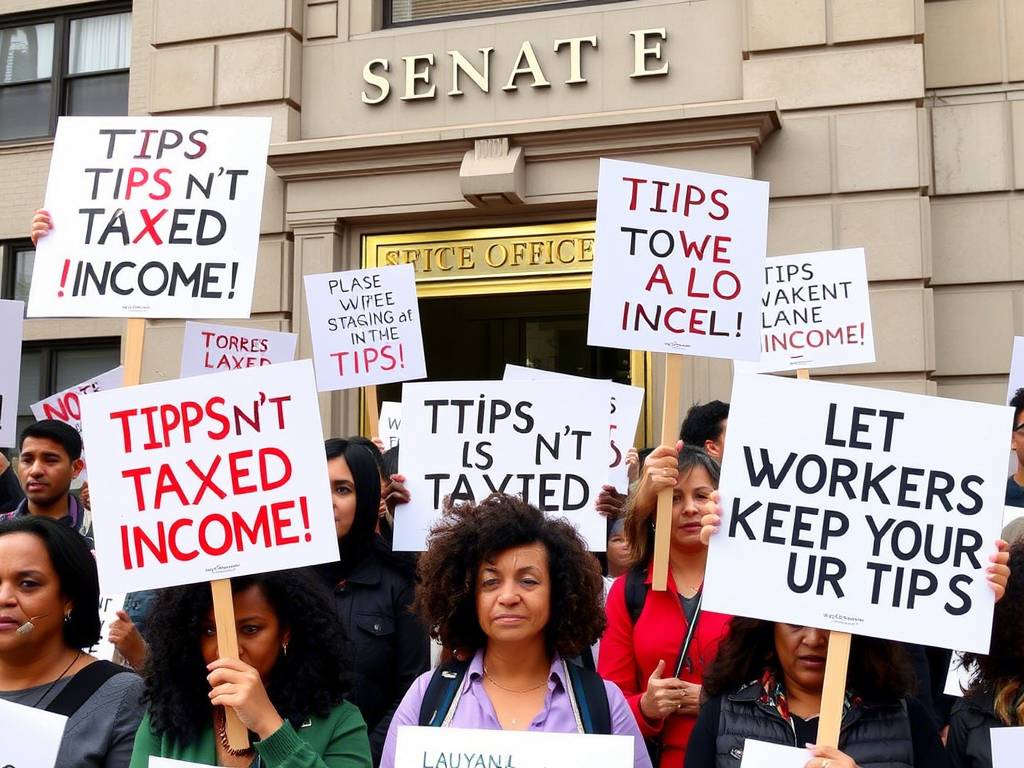
In a landmark decision, the U.S. Senate has approved the No Tax on Tips Act , a bipartisan bill designed to shield service workers’ tips from federal income taxes. This move comes amid widespread outcry over the IRS’s controversial 2023 rule requiring taxation on tips stored in digital point-of-sale (POS) systems. If enacted, the legislation would mark a seismic shift in tax policy for millions of hospitality workers. But what does this mean for everyday Americans? Let’s dive into the details.
What Is the No Tax on Tips Act?
The No Tax on Tips Act (officially S. 1256) amends the Internal Revenue Code to exclude tips from taxable income for workers earning less than $40,000 annually from wages outside gratuities. Spearheaded by Senators Bob Casey (D-PA) and Mike Lee (R-UT), the bill aims to reverse the IRS’s 2023 guidance that classified digital tips as employer-held funds, subjecting them to payroll taxes.
Key provisions include:
- Full tax exemption for tips received directly or via POS systems.
- Income threshold to prevent high-earning individuals from exploiting the loophole.
- Retroactive application to 2023 tax years, offering refunds for affected workers.
The Backstory: Why Was This Bill Necessary?
In 2023, the IRS issued a rule requiring businesses to report digital tips (e.g., card payments) as taxable income, arguing that funds in POS systems were technically “employer-held.” Critics slammed the move as a bureaucratic overreach, noting that workers still paid credit card processing fees and had no control over the funds until payday.
Social media outrage erupted, with hashtags like #TaxTipsFairness trending. Workers shared stories of losing up to 22% of their tips to taxes, eroding an already precarious income source.
Who Supports the No Tax on Tips Act?
The bill has garnered rare bipartisan support, driven by pressure from advocacy groups like the National Restaurant Association and the U.S. Chamber of Commerce. Key backers argue:
- Economic Relief for Low-Wage Workers: Tips often constitute 40–70% of income for service employees. Taxing them exacerbates poverty in a sector where 13% live below the poverty line (vs. 8% nationally).
- Administrative Simplification: Eliminating the POS tax rule reduces compliance burdens for small businesses.
- Moral Argument: Tips are voluntary gifts from customers, not employer compensation.
Senator Casey stated, “This bill corrects a decades-long injustice. Workers shouldn’t pay taxes on money that isn’t guaranteed or controlled by their employers.”
Opposition and Concerns
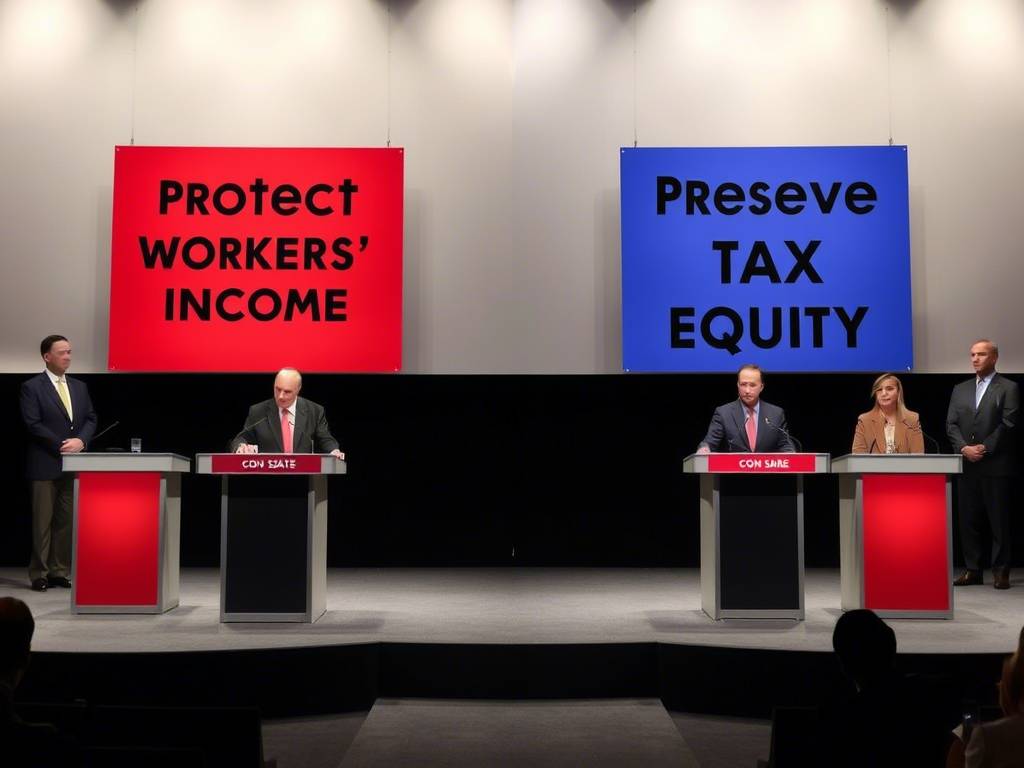
Critics, including the Treasury Department, warn the Act could cost $20 billion in lost revenue over a decade. Skeptics also question:
- Fairness: High-earning servers in urban areas (e.g., Michelin-starred restaurants) might benefit disproportionately.
- Implementation Challenges: Defining “tips” vs. service charges could lead to legal disputes.
- Alternative Solutions: Some propose increasing the standard deduction or expanding the Earned Income Tax Credit (EITC) instead.
Economic Impact: Winners and Losers
Service Workers: An average server earning $10,000 in annual tips could save $1,500 in taxes. Delivery drivers, hairdressers, and gig workers would see similar relief.
Employers: Restaurants and hotels face reduced payroll tax liabilities but may grapple with adjusted reporting requirements.
Government: The Congressional Budget Office (CBO) projects a $2 billion annual revenue drop, potentially affecting Social Security and Medicare funding.
What Happens Next?
The bill now heads to the House, where Speaker Mike Johnson has expressed cautious support. President Biden has signaled approval, though the White House seeks amendments to limit exemptions to lower-income workers.
Potential hurdles include:
- Lobbying from progressive groups urging tighter income caps.
- Amendments to offset revenue losses (e.g., closing cryptocurrency tax loopholes).
How Will This Affect Your Taxes?
If you’re a tipped worker:
- File for retroactive refunds if affected by the 2023 rule.
- Consult a tax professional to optimize deductions under the new law.
If you’re an employer:
- Update payroll systems to exclude tips from taxable wages.
- Train HR teams on revised reporting protocols.
Global Context: How Does the U.S. Compare?
Most OECD countries tax tips, but few treat them as strictly as the 2023 IRS rule. For example:
- Canada: Tips are taxable but not subject to employer payroll taxes.
- UK: Workers pay income tax on tips but retain control over distribution.
- Japan: Tips are rare, as service charges are included in bills.
Conclusion: A Step Forward or a Missed Opportunity?
The No Tax on Tips Act represents a significant victory for the service industry, addressing a glaring inequity in tax policy. Yet, its long-term success hinges on balancing worker relief with fiscal responsibility. As the debate moves to the House, stakeholders must weigh immediate gains against systemic reforms needed to uplift low-wage earners.
Stay tuned for updates – this story is far from over.

