
For over a century, the sinking of the RMS Titanic has captivated historians, scientists, and the general public alike. The tragic event that claimed 1,500 lives on April 15, 1912, has been the subject of countless books, films, and investigations. Yet, despite more than 110 years of research, the doomed ocean liner continues to reveal new secrets about its final hours. Thanks to groundbreaking technology, a comprehensive digital scan of the Titanic wreck has provided unprecedented insights into the ship’s catastrophic demise, challenging long-held assumptions and confirming eyewitness accounts that were previously dismissed as mere speculation.
The Digital Resurrection Project
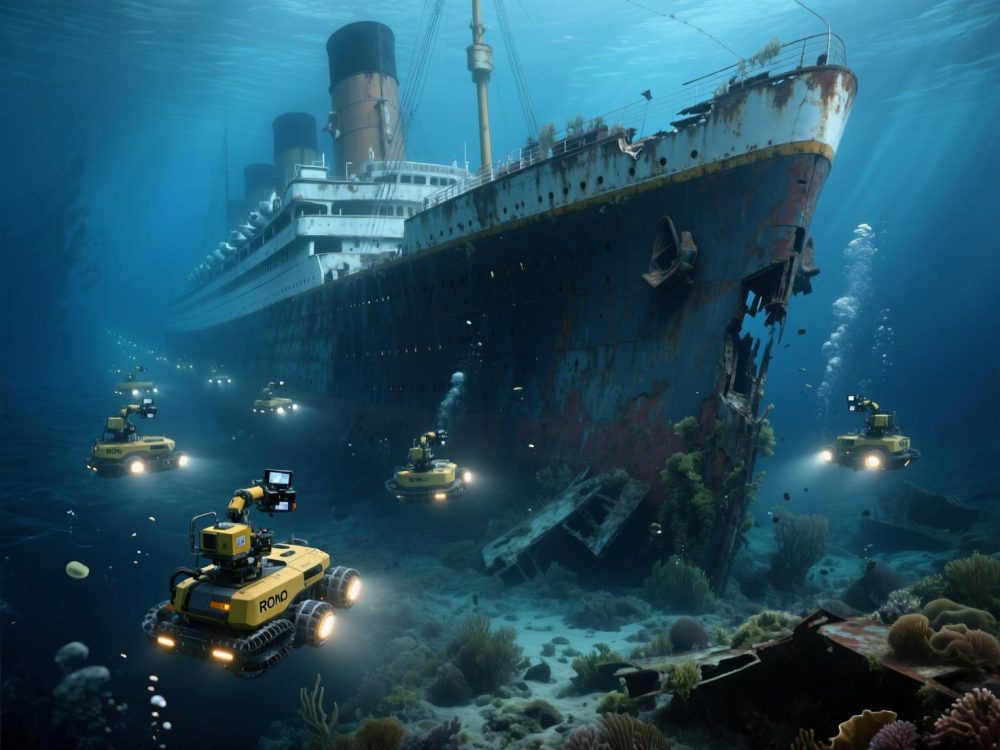
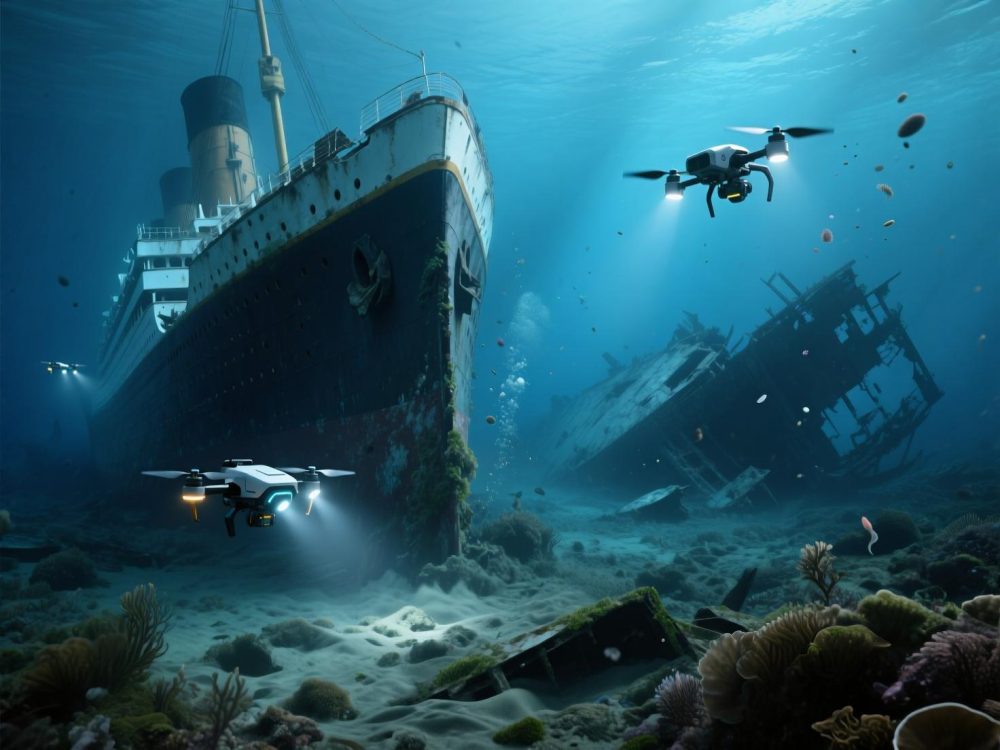
In what experts are calling the most detailed examination of the Titanic wreck to date, researchers have created a full-sized digital twin of the legendary vessel using over 700,000 high-resolution images captured by underwater robots. This technological marvel, developed through a collaboration between Atlantic Productions and National Geographic, has produced the first complete 3D replica of the entire shipwreck as it lies 3,800 meters beneath the icy waters of the North Atlantic.
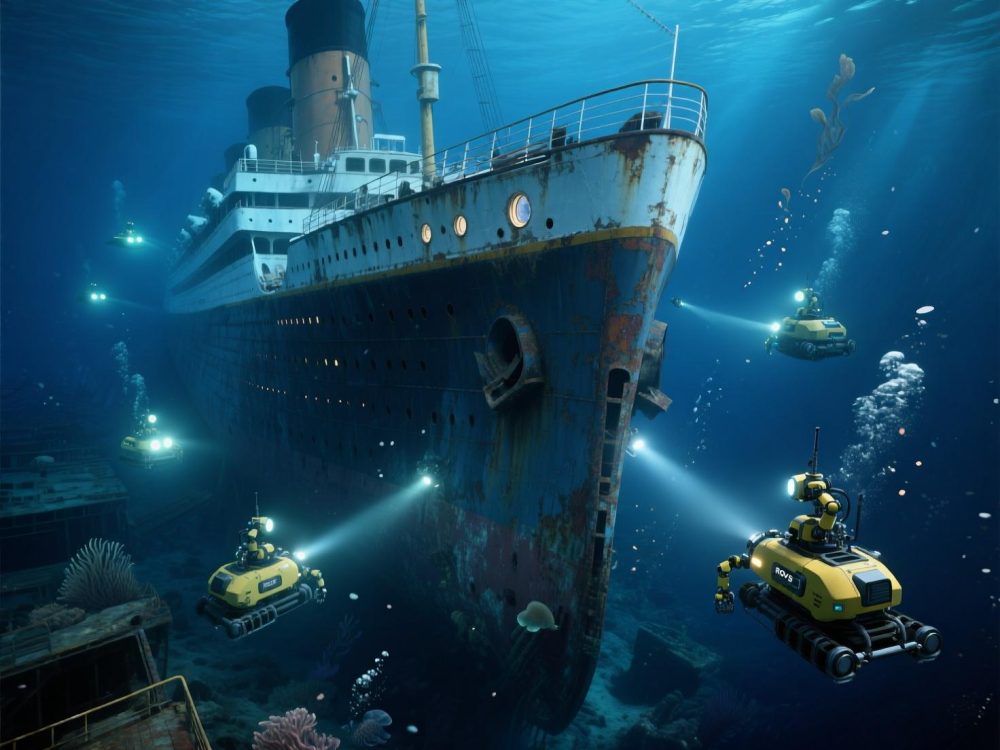
Unlike previous explorations that offered only fragmented glimpses through submersible windows, this digital reconstruction provides researchers with the ability to examine the entire wreck site in unprecedented detail. Parks Stephenson, a leading Titanic analyst who has studied the digital twin extensively, describes the significance perfectly: “Titanic is the last surviving eyewitness to the disaster, and she still has stories to tell.”
The project represents a quantum leap in maritime archaeology. By compiling more than 700,000 individual images taken from every conceivable angle, researchers have created what they’re calling a “digital resurrection” of the ship. This comprehensive view allows experts to analyze the wreck in context—something that was impossible when examining the site through the limited perspective of a submersible viewport.
Unprecedented Views of the Wreck Site
The digital scan reveals the Titanic in two distinct sections, separated by approximately 600 meters on the ocean floor. The bow section, remarkably preserved, lies upright as if still continuing its ill-fated voyage across the Atlantic. In stark contrast, the stern section appears as a chaotic heap of mangled metal, testament to the violent forces that tore the ship apart during its descent.
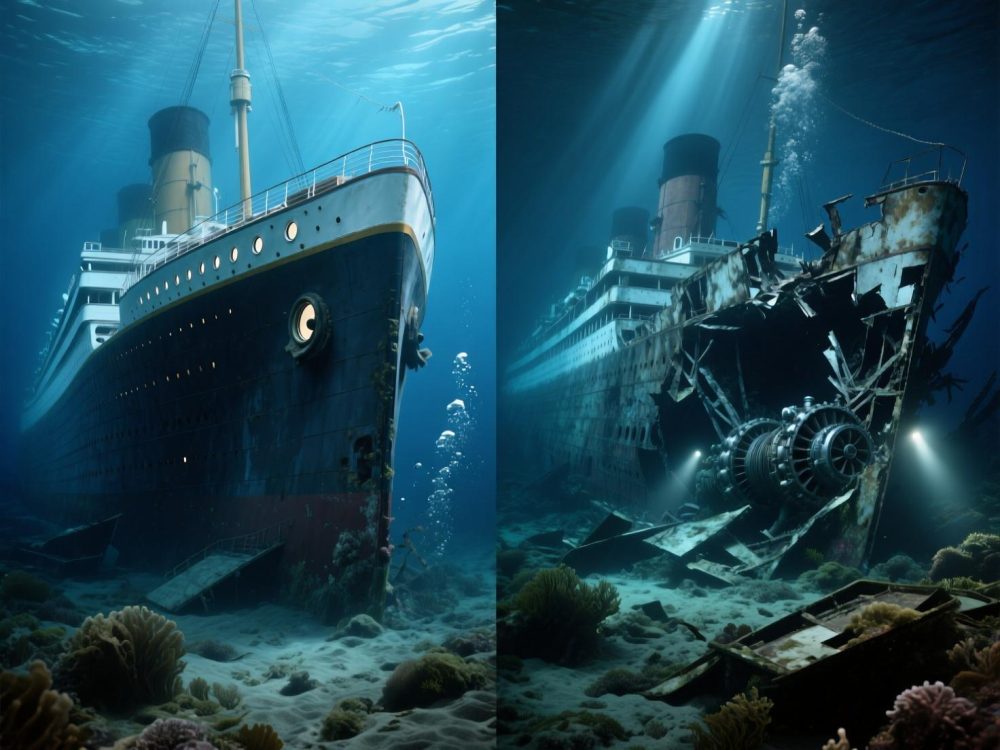
“The immense bow lies upright on the seafloor, almost as if the ship were continuing its voyage,” explains Stephenson. “But sitting 600m away, the stern is a heap of mangled metal. The damage was caused as it slammed into the sea floor after the ship broke in half.”
This dramatic difference in preservation between the two sections has provided crucial evidence about the sequence of events during the sinking. The relatively intact bow suggests it descended more gracefully, while the catastrophic damage to the stern indicates it experienced violent forces during its descent—likely spinning uncontrollably as it plunged toward the ocean floor.
The Iceberg Impact: New Evidence
One of the most significant discoveries from the digital scan is visible evidence of the iceberg collision itself. For decades, historians have debated the exact nature of the damage caused when the Titanic struck the iceberg on that fateful night. The new 3D model reveals a porthole with a large hole that was “most likely smashed by the iceberg,” providing physical evidence that corroborates passenger accounts describing ice entering cabins during the collision.
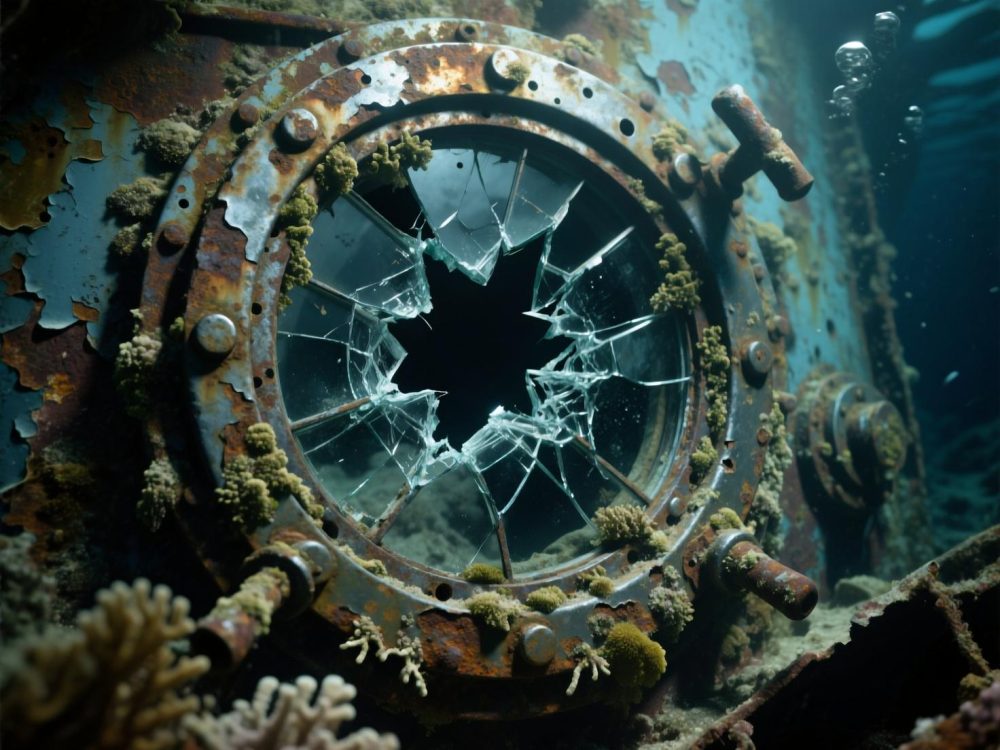
This discovery is particularly significant because it validates eyewitness testimony that was previously questioned by some researchers. Survivors had reported seeing ice in their cabins after the collision, but skeptics argued this was impossible given the ship’s design. The damaged porthole provides physical proof that the iceberg did indeed make direct contact with the ship’s interior spaces.
The scan also reveals the precise location where the ship fractured into two pieces—a critical moment in the sinking process that has been the subject of much debate. At the rear of the bow section, experts can clearly see the boilers that were exposed when the ship broke apart. Some of these massive structures appear concave, suggesting they were still operating when they were suddenly submerged in freezing water.
The Heroic Engineers: New Evidence of Sacrifice
Perhaps the most emotionally compelling discovery from the digital scan concerns the actions of the ship’s engineering crew during the final moments. For years, survivor accounts described how the ship’s lights remained on until the very end, allowing for a more orderly evacuation. The new evidence confirms these stories and reveals the extraordinary sacrifice made by the engineering team.
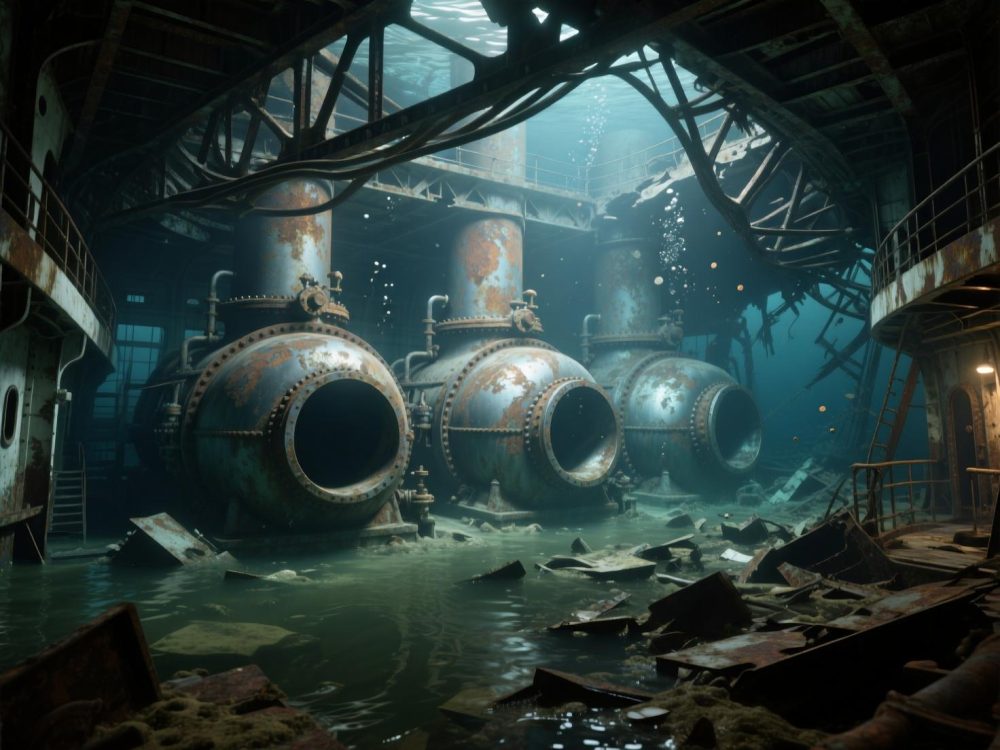
The digital reconstruction shows that some of the boilers in the rear section of the bow are concave—a telltale sign that they were still operating when the ship broke apart and plunged into the ocean depths. Even more remarkably, researchers discovered a valve on the stern section that remains in an open position, indicating that steam was still flowing into the electricity generating system right up until the moment the ship disappeared beneath the waves.
This finding provides concrete evidence of the heroic actions of Chief Engineer Joseph Bell and his team, who stayed behind in the flooding compartments to keep the ship’s lights and power operational. Their selfless decision to remain at their posts ensured that the crew had sufficient lighting to safely launch lifeboats—a critical factor that undoubtedly saved lives during the chaotic evacuation.
“They kept the lights and the power working to the end, to give the crew time to launch the lifeboats safely with some light instead of in absolute darkness,” Stephenson explains. “They held the chaos at bay as long as possible, and all of that was kind of symbolised by this open steam valve just sitting there on the stern.”
The discovery of this open valve serves as a powerful testament to the courage and dedication of these unsung heroes. While their names may not be as famous as those of the ship’s officers or wealthy passengers, their actions in those final moments were crucial to the survival of hundreds of people who escaped in the lifeboats.
The Computer Simulation: Rethinking the Sinking
Complementing the physical evidence from the digital scan, researchers have developed a sophisticated computer simulation that provides new insights into exactly how the Titanic sank. Led by Professor Jeom-Kee Paik from University College London, the simulation uses advanced numerical algorithms, computational modeling, and supercomputing capabilities to reconstruct the precise sequence of events following the iceberg collision.
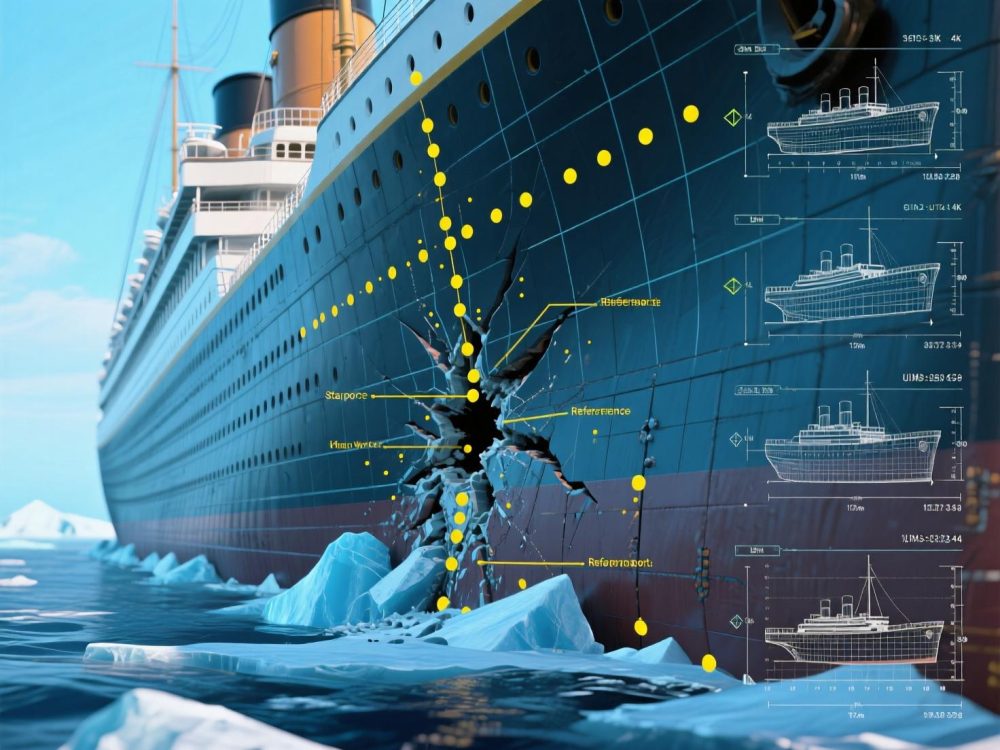
The simulation takes into account Titanic’s original blueprints, its speed, direction, and position at the time of impact to create the most accurate model of the sinking to date. Contrary to popular belief that the iceberg created a massive gash in the ship’s side, the simulation reveals that the damage consisted of a series of small punctures—some as small as an A4 sheet of paper—running in a line along a narrow section of the hull.
Simon Benson, an associate lecturer in naval architecture at the University of Newcastle, explains the significance: “The difference between Titanic sinking and not sinking are down to the fine margins of holes about the size of a piece of paper. But the problem is that those small holes are across a long length of the ship, so the flood water comes in slowly but surely into all of those holes, and then eventually the compartments are flooded over the top and the Titanic sinks.”
This finding is particularly important because it explains why the Titanic sank despite being designed to stay afloat with four of its watertight compartments flooded. The simulation shows that the damage extended across six compartments—just enough to overwhelm the ship’s safety design. The small size of the individual punctures meant that water entered gradually rather than in a sudden rush, creating the deceptive impression that the ship might remain afloat long enough for rescue.
Why the Titanic Was Doomed
The combination of the digital scan and computer simulation provides a comprehensive explanation for why the supposedly “unsinkable” Titanic met its tragic end. The ship’s designers had incorporated sixteen watertight compartments that could be sealed off in case of flooding, with the vessel engineered to stay afloat even if any four compartments were breached.
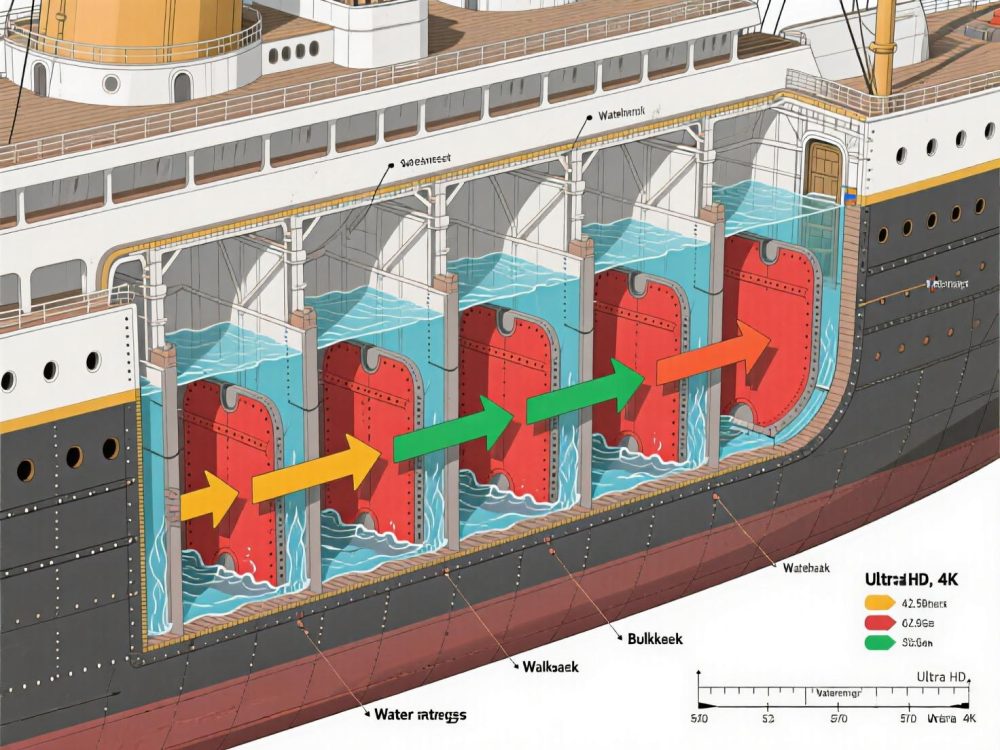
However, the glancing blow from the iceberg created a series of small punctures that extended across six compartments—just one more than the ship’s design could handle. The simulation shows that water entered these compartments slowly but steadily, eventually reaching a point where it could flow over the top of the bulkheads into adjacent compartments. This cascading effect ultimately sealed the ship’s fate.
The digital evidence also reveals why previous attempts to understand the sinking were incomplete. Because the lower section of the bow is partially buried in sediment, the precise damage to the hull has been hidden from view. The computer simulation, informed by the visible damage patterns and historical data, has filled in these critical gaps in our understanding.
The Human Element: Personal Stories from the Wreck
Beyond the technical analysis, the digital scan provides poignant reminders of the human tragedy that unfolded on that cold April night. Personal possessions from the ship’s passengers are still scattered across the seafloor, preserved in the deep ocean’s cold, dark environment. While the article doesn’t specify particular artifacts, the comprehensive nature of the scan means that researchers can now document and analyze these personal items with unprecedented precision.
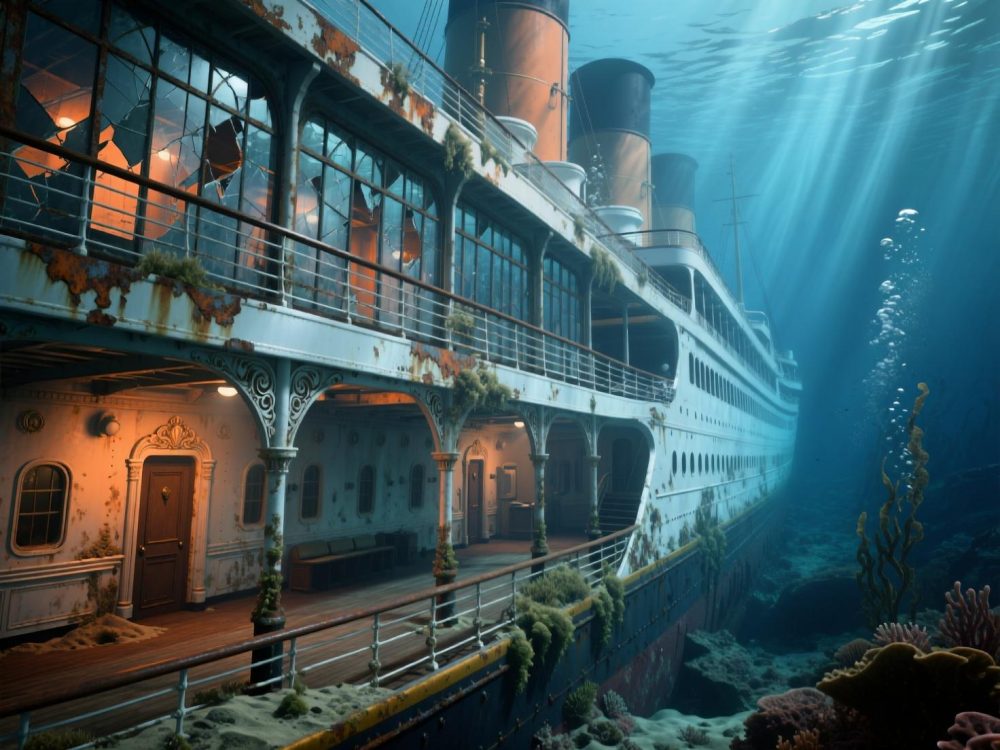
The scan also reveals the ship’s final resting position with remarkable clarity. The bow section, with its distinctive prow pointing downward into the silt, appears almost serene in its final position. The upper decks, including the promenade where passengers strolled just hours before the disaster, remain clearly visible in the digital reconstruction.
What makes this digital reconstruction particularly valuable is its ability to preserve the wreck site for future generations. The Titanic is slowly deteriorating due to natural processes, with metal-eating bacteria gradually consuming the ship’s structure. By creating this comprehensive digital record, researchers have effectively preserved the wreck in its current state for historical and educational purposes.
The Future of Titanic Research
The completion of this digital scan represents not an end point but rather a beginning for Titanic research. As Parks Stephenson observes, “It will take many years to fully scrutinise the 3D scan.” The sheer volume of data—over 700,000 images compiled into a single model—means that researchers will be analyzing this information for decades to come.
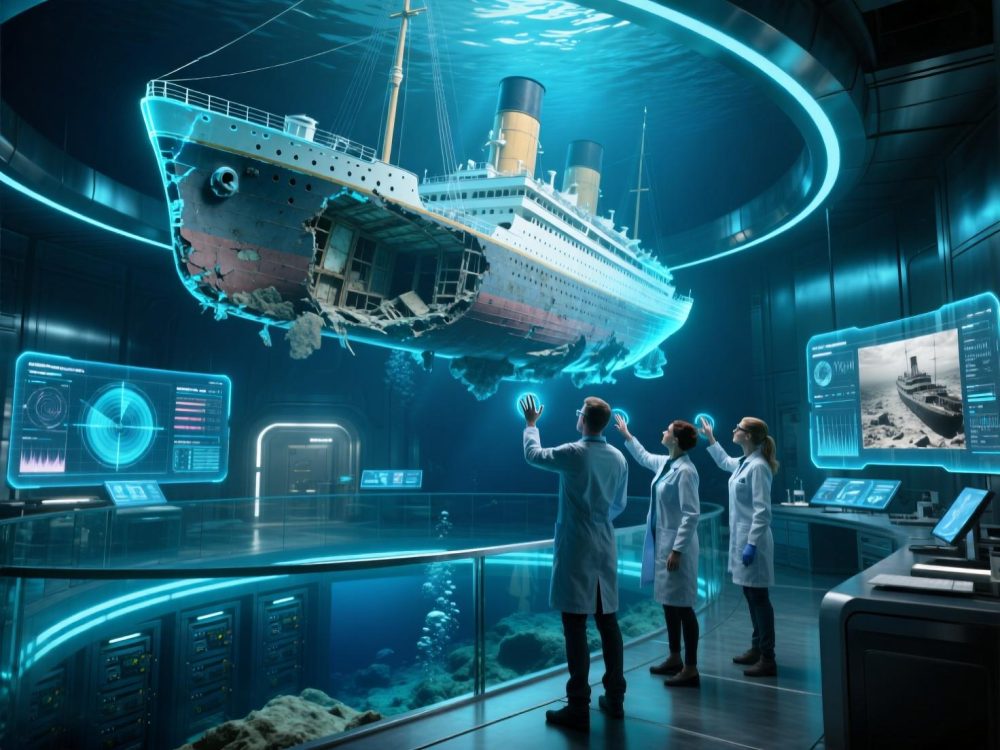
The digital twin has already revolutionized how researchers approach the study of shipwrecks. “It’s like a crime scene: you need to see what the evidence is, in the context of where it is,” Stephenson explains. “And having a comprehensive view of the entirety of the wreck site is key to understanding what happened here.”
This holistic approach to maritime archaeology marks a significant departure from previous methods, which often focused on isolated sections of the wreck. By examining the entire site in context, researchers can identify patterns and relationships that might have been missed when studying fragmented pieces of evidence.
Preserving History for Future Generations
The Titanic digital scan project serves as a model for how technology can be used to preserve and study historical artifacts that are inaccessible to most people. While the physical wreck lies nearly 4,000 meters below the surface—beyond the reach of all but the most specialized submersibles—the digital twin makes the ship available to researchers, educators, and the public worldwide.
This accessibility has important implications for education and historical preservation. Students can now explore the wreck in virtual reality, experiencing the ship in a way that brings history to life. Museum exhibits can incorporate interactive elements that allow visitors to examine specific sections of the ship in detail. And researchers can collaborate across continents, sharing insights and discoveries in real time.
The project also highlights the importance of documenting historical sites before they deteriorate further. As mentioned earlier, the Titanic is slowly being consumed by natural processes, with experts predicting that the wreck may eventually collapse entirely. By creating this comprehensive digital record now, researchers have preserved the ship in its current state for future study.
Conclusion: The Titanic’s Enduring Legacy
More than a century after its tragic sinking, the Titanic continues to capture our imagination and teach us valuable lessons about engineering, human behavior, and the limits of technology. The new digital scan reveals that even after 112 years, the ship still has stories to tell—stories that deepen our understanding of the disaster and honor the memory of those who perished.
As Parks Stephenson poignantly observes, “She’s only giving her stories to us a little bit at a time. Every time, she leaves us wanting for more.” This sentiment captures the enduring mystery of the Titanic—a mystery that continues to unfold with each new technological advancement that allows us to peer deeper into the past.
The digital scan of the Titanic represents more than just a technical achievement; it’s a bridge between past and present, connecting us to a pivotal moment in history with unprecedented clarity. As we continue to analyze this remarkable dataset, we can expect further revelations that will reshape our understanding of the disaster and ensure that the lessons of the Titanic remain relevant for generations to come.

