
In May 2025, Robert F. Kennedy Jr. reignited the national debate over COVID-19 vaccines, this time focusing on their use in two of the most vulnerable groups: children and pregnant women. As a prominent vaccine skeptic and former presidential candidate, Kennedy’s assertions—ranging from questioning vaccine safety to calling for an end to mandates—have sparked fierce reactions from public health experts, parents, and policymakers. This article dives deep into the controversy, the science, and the implications for families and public health.
The Controversy: RFK Jr.’s Claims and Their Impact
Robert F. Kennedy Jr. has long been a vocal critic of vaccine policies, and his recent comments on childhood and maternal COVID-19 immunization have drawn both support and condemnation. During a May 2025 interview, Kennedy argued that mandating vaccines for children and pregnant women is “medically unjustified” and “a violation of bodily autonomy.” He cited discredited theories about mRNA vaccine ingredients and alleged suppression of “alternative treatments” by pharmaceutical companies.
Kennedy also criticized the CDC’s updated guidelines, which recommend universal vaccination for pregnant individuals and routine pediatric doses for children aged 6 months and older. His remarks align with broader anti-mandate movements but clash with overwhelming scientific consensus.
The Science Behind Childhood Vaccination: Why Experts Agree
Pediatric infectious disease specialists emphasize that vaccinating children against COVID-19 is critical to curbing transmission and preventing severe outcomes. While children generally experience milder symptoms than adults, they can still suffer from multisystem inflammatory syndrome (MIS-C) and long-term complications.
Key Evidence Supporting Pediatric Vaccination:
- Real-world data: Studies from the CDC and WHO show that vaccinated children have a 90% lower risk of hospitalization compared to unvaccinated peers.
- Herd immunity: Widespread childhood vaccination protects immunocompromised individuals and those ineligible for shots.
- School safety: Vaccines reduce outbreaks in classrooms, minimizing disruptions to education.
Pregnant Women and Vaccines: Separating Fact from Fear
Pregnancy weakens the immune system, making expectant mothers more susceptible to severe COVID-19. Despite this, vaccination rates among pregnant people remain stubbornly low in some regions, partly due to misinformation.
Why Experts Urge Vaccination During Pregnancy:
- Maternal protection: Vaccinated pregnant women are 80% less likely to develop severe illness, according to a 2024 NEJM study.
- Fetal benefits: Antibodies transfer through the placenta, offering newborns passive immunity.
- Safety record: Over 20 million pregnant individuals in the U.S. have safely received mRNA vaccines since 2021, with no increased risk of miscarriage or birth defects.
RFK Jr.’s Rhetoric: Echoes of a Larger Anti-Vax Movement
Kennedy’s arguments mirror long-standing anti-vaccine tropes, including claims of “big pharma profiteering” and conspiracy theories about government overreach. However, his influence has grown amid post-pandemic distrust in institutions. Critics argue his rhetoric exploits parental fears, particularly among those already skeptical of medical authorities.
Common Misconceptions Debunked:
- “Vaccines cause infertility” → False. No evidence links any vaccine to fertility issues.
- “Natural immunity is safer” → Dangerous. Natural infection carries higher risks of severe illness and long-term complications.
- “Mandates violate freedom” → Ethically complex. Public health laws often balance individual rights with community safety.

The Role of Social Media in Amplifying Misinformation
Platforms like Facebook, TikTok, and X (formerly Twitter) have become battlegrounds for vaccine discourse. Anti-vaxxers, including Kennedy’s followers, often share edited videos and cherry-picked data to sow doubt. For example, a viral clip falsely claimed that a 2023 CDC study “admitted” vaccine failure in children—a claim debunked by fact-checkers.
Public health agencies are now deploying AI tools to combat misinformation, but challenges persist.
What’s at Stake? The Consequences of Vaccine Hesitancy
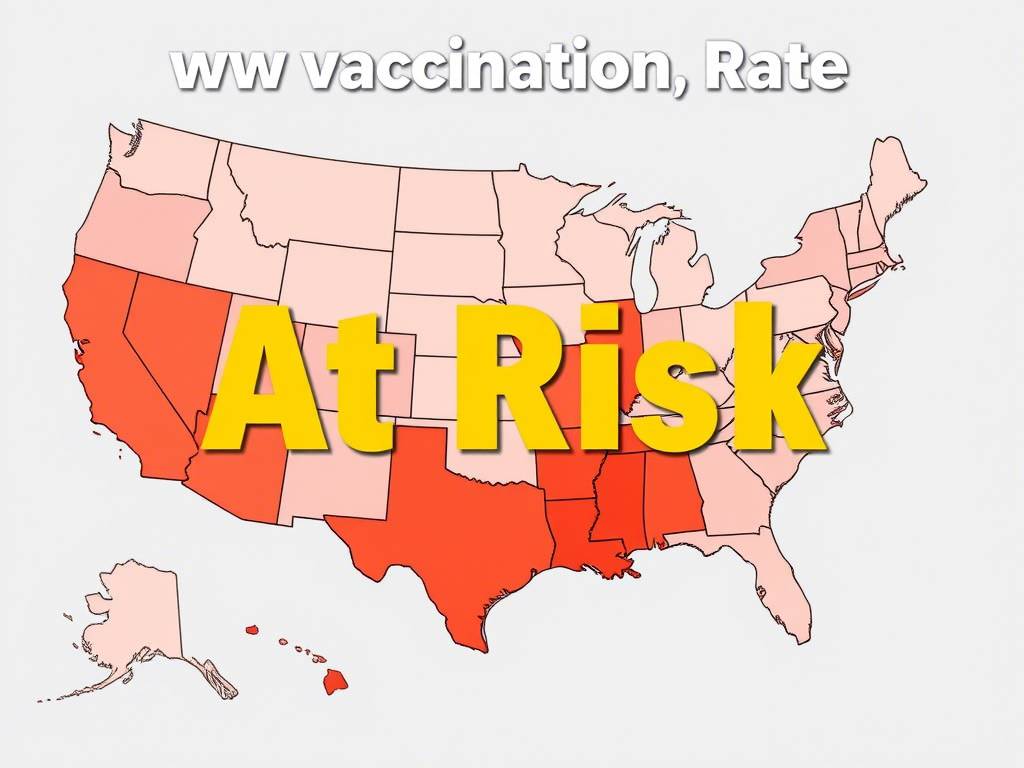
Low vaccination rates in children and pregnant women could lead to:
- Resurgence of preventable variants due to reduced herd immunity.
- Increased hospitalizations among high-risk groups.
- Economic strain from recurring lockdowns and healthcare costs.
In states where lawmakers have rolled back school vaccine mandates, pediatricians report rising cases of measles and whooping cough—a worrying precedent for future outbreaks.
Expert Recommendations: How to Combat Vaccine Hesitancy
Health organizations urge a multifaceted approach to rebuild trust:
- Community engagement: Partner with local leaders, including religious figures and pediatricians.
- Transparent communication: Share vaccine data in plain language.
- Incentivize compliance: Offer paid leave for parents getting children vaccinated or expand free clinic access.
The Legal Landscape: Can Mandates Survive Political Pushback?
Courts have historically upheld vaccine mandates as constitutional, citing the state’s duty to protect public health. However, recent lawsuits in Texas and Florida challenge requirements for pregnant workers, framing them as “gender discrimination.” The outcomes could set precedents for future policies.
Moving Forward: Balancing Rights and Responsibility
The debate over childhood and maternal vaccination isn’t just about science—it’s about ethics, politics, and human emotion. While personal freedom is vital, experts stress that public health measures like vaccines have saved millions of lives. As RFK Jr. and others continue to challenge mandates, the responsibility falls on educators, clinicians, and policymakers to provide clear, compassionate guidance.

Conclusion: Trust, Truth, and the Path to Herd Immunity
The controversy surrounding RFK Jr.’s stance highlights the urgent need for nuanced dialogue. By addressing concerns with empathy, amplifying credible voices, and countering falsehoods, society can navigate this polarized landscape. For parents and expectant mothers, the message remains clear: Vaccination is the safest, most effective way to protect loved ones and communities.

