
Cancer diagnosis has long relied on symptoms like lumps, fatigue, or unexplained weight loss—often appearing only when the disease has progressed. But what if a simple blood test could identify cancer years before symptoms arise , giving patients and doctors a critical head start?
Groundbreaking research published in Cancer Discovery reveals that a blood test analyzing circulating tumor DNA (ctDNA) can detect cancer up to three years earlier than conventional methods. This innovation could revolutionize preventive care, offering a non-invasive way to catch the disease at its most treatable stage.
In this article, we’ll explore how the test works, its potential to save lives, and the challenges researchers face in bringing it to mainstream medicine.
How Does the Blood Test Work?
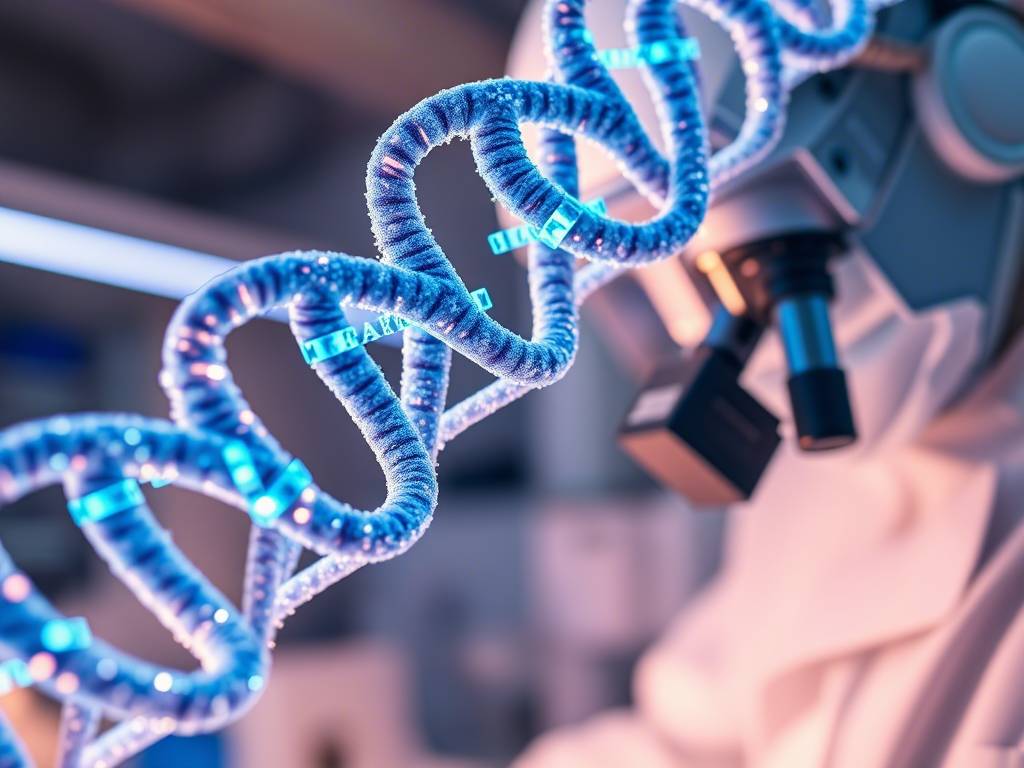
At its core, the test identifies circulating tumor DNA (ctDNA) —tiny fragments of genetic material shed by tumors into the bloodstream. Unlike traditional screenings that rely on imaging or tissue biopsies, this approach uses advanced sequencing technology to detect minute DNA mutations linked to cancer.
Key Features of the Test:
- Ultra-Sensitive Sequencing: Detects trace amounts of tumor DNA, even at early stages.
- Multi-Cancer Detection: Flags genetic markers for over a dozen cancer types, including lung, breast, and pancreatic cancers.
- Non-Invasive: Requires only a standard blood draw, eliminating the need for invasive procedures.
The Science Behind the Breakthrough
The study, led by Dr. Yuxuan Wang of Johns Hopkins University, analyzed blood samples from 746 participants in the Atherosclerosis Risk in Communities (ARIC) study —a long-term project tracking health outcomes in thousands of individuals.
By comparing samples from people who later developed cancer with those who remained cancer-free, researchers identified tumor DNA traces up to 3 years before diagnosis .
Why the ARIC Study Matters
- Real-World Data: Used samples from individuals with naturally occurring cancers, not lab-induced models.
- Longitudinal Insights: Leveraged decades of health records to map ctDNA levels over time.
- Diverse Cohort: Included participants across age groups, ethnicities, and health statuses.
Dr. Bert Vogelstein, a co-author of the study, emphasized its significance: “This sets a benchmark for multi-cancer early detection (MCED) tests to achieve clinical success.”

The Benefits of Early Detection
Catching cancer early dramatically improves treatment outcomes. When tumors are localized and less aggressive, therapies like surgery or targeted drugs are far more effective.
Key Advantages of Early Detection
- Higher Survival Rates: Early-stage cancers have a 5-year survival rate 5x higher than late-stage diagnoses.
- Less Invasive Treatments: Smaller tumors may require less aggressive interventions, reducing side effects.
- Cost Savings: Early care reduces the need for expensive late-stage treatments like chemotherapy.
For example, pancreatic cancer—a disease with a dismal 5-year survival rate of 12%—could see drastic improvements if detected earlier.
Beyond Cancer: The Future of Blood-Based Diagnostics
While the current focus is on cancer, this technology could extend to other diseases. Chronic illnesses like Alzheimer’s, heart disease, and autoimmune disorders may also leave detectable biomarkers in blood.
Potential Applications:
- Alzheimer’s: Detecting amyloid-beta proteins before cognitive decline.
- Heart Disease: Identifying inflammation markers linked to atherosclerosis.
- Autoimmune Disorders: Spotting abnormal immune activity in early stages.
Dr. Wang notes, “This framework could redefine preventive medicine, shifting from reactive to proactive care.”

Challenges and Limitations
Despite its promise, the test faces hurdles before widespread adoption.
Key Challenges:
- False Positives: Healthy individuals may receive incorrect cancer alerts, causing unnecessary anxiety.
- False Negatives: Some tumors may not shed enough DNA for detection.
- Cost and Accessibility: Advanced sequencing remains expensive, limiting availability in low-income regions.
Researchers are refining the test to improve accuracy and reduce costs. For instance, optimizing algorithms to distinguish cancer-related mutations from benign genetic variations could cut false positives by 40%.
What’s Next? The Road to Widespread Use
Large-scale clinical trials are underway to validate the test’s reliability. Companies like Grail and Exact Sciences are already marketing MCED tests, though experts caution they’re not yet ready for routine screening.
Future Research Directions:
- Personalized Screening: Tailoring tests to individual risk factors (e.g., family history, lifestyle).
- Combining Biomarkers: Pairing ctDNA analysis with protein or immune response markers for better accuracy.
- Global Access: Developing affordable versions for low-resource settings.
The National Institutes of Health (NIH) has invested $150 million into early detection research, signaling strong institutional support.

How Will This Change Healthcare?
Imagine annual physicals including a blood test that screens for dozens of diseases before symptoms arise. This could become the norm, integrating ctDNA analysis into routine checkups like cholesterol tests.
Implications for Healthcare Systems:
- Preventive Focus: Reducing emergency interventions by catching diseases early.
- Data-Driven Decisions: Using ctDNA trends to guide personalized treatment plans.
- Reduced Mortality: Potentially saving millions of lives through early diagnosis.
Dr. Vogelstein envisions a future where “doctors use blood tests to predict disease, not just react to it.”

Frequently Asked Questions
Q: Which cancers can this test detect?
A: Early trials show promise for breast, lung, colorectal, and pancreatic cancers, among others.
Q: How accurate is the test?
A: Current sensitivity ranges from 50–90%, depending on cancer type and stage.
Q: Is this covered by insurance?
A: Most insurers don’t cover MCED tests yet, but coverage may expand as trials progress.
Final Thoughts: A New Era of Preventive Healthcare
The ability to detect cancer years earlier marks a seismic shift in medicine. While challenges remain, the potential to save lives through early intervention is undeniable. As research advances, this blood test could become as routine as your yearly flu shot—ushering in a new era where diseases are prevented, not just treated.
Stay informed. Share this article. Together, we can pave the way for a healthier future.

