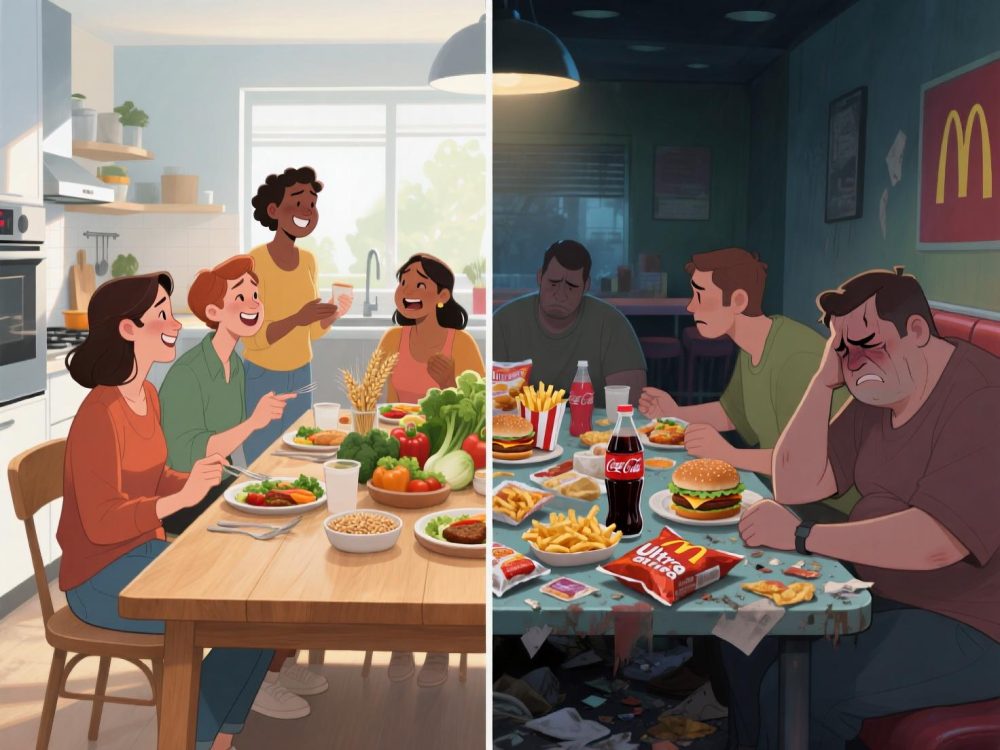
Forget everything you thought you knew about calories in, calories out. For decades, the simplistic mantra “a calorie is a calorie” has dominated weight loss advice. Count your calories, stay under your limit, and the pounds should melt away. Right? If only it were that simple. A groundbreaking clinical trial led by University College London (UCL) has shattered this myth, revealing a harsh truth: if your diet is dominated by ultra-processed foods, losing weight becomes an uphill battle – nearly impossible – regardless of how meticulously you count calories.
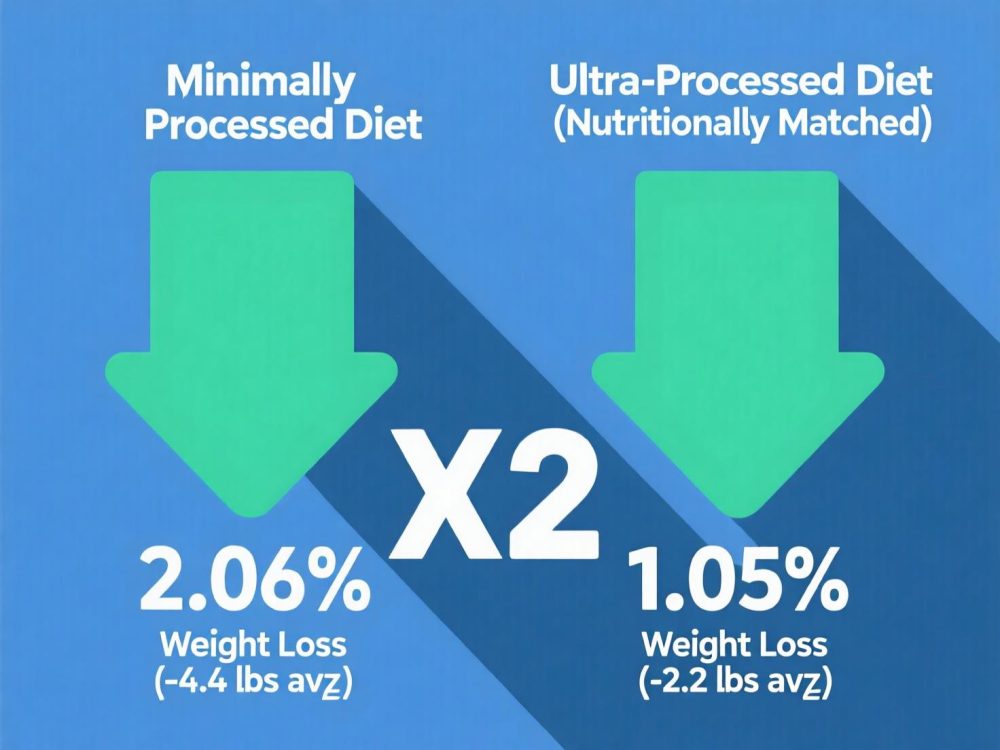
This isn’t speculation or observational data riddled with confounding factors. This is a rigorous, controlled clinical trial where everything was held constant except the level of food processing. The results? Staggering. People eating minimally processed foods lost nearly twice as much weight as those eating nutritionally matched ultra-processed foods. The implication is profound: the type of food, specifically its level of processing, is a far more critical factor in weight management than the calorie count alone.
Let’s dive deep into this paradigm-shifting research and uncover why ditching the processed aisle might be the single most powerful step you can take for sustainable weight loss and better health.
The UCL Trial: Cutting Through the Noise
Previous studies linking ultra-processed foods (UPFs) to weight gain often faced criticism: maybe people eating more UPFs also had other unhealthy habits (less exercise, poorer sleep, smoking). Maybe they just consumed more calories overall. This meticulously designed trial eliminated those variables.
- The Setup: 200 adults were randomly assigned to one of two diets for eight weeks.
- The Diets (The Crucial Detail):
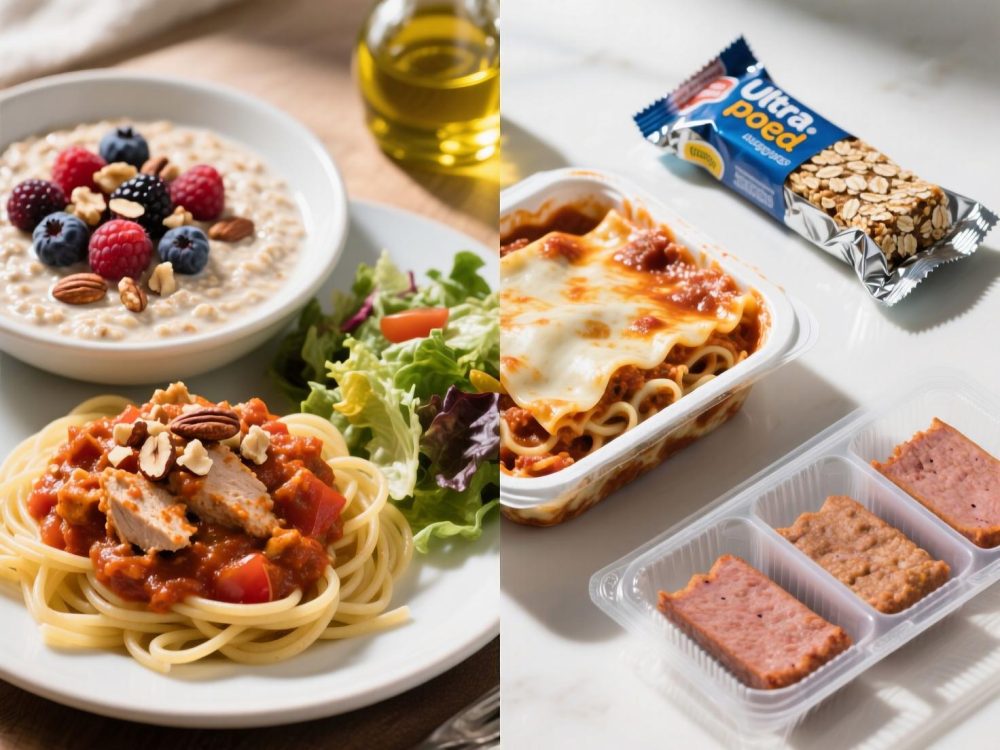
- Minimally Processed Diet: Focused on whole, recognizable ingredients. Think: Overnight oats made with rolled oats, milk, and fruit; homemade spaghetti Bolognese with fresh vegetables, lean meat, and tomato sauce; grilled chicken with roasted vegetables; fresh fruit; nuts; plain yogurt. Meals were cooked from scratch using basic ingredients.
- Ultra-Processed Diet: Nutritionally matched to the minimally processed diet for calories, macronutrients (fat, protein, carbs), fiber, and sugar. However, it consisted entirely of commercially available, ready-to-eat or heat ultra-processed items: Ready-made lasagna, breakfast oat bars, packaged snacks, processed meats, sugary cereals, and beverages with artificial additives.
- The Control: Participants could eat as much or as little as they wanted from their assigned diet. Crucially, both diets were carefully engineered to have identical calorie and nutrient profiles. This is the key – it wasn’t about more calories in the UPF group; it was purely about the processing.
The Stunning Results: Processing Wins Over Calories
The difference in outcomes was undeniable and significant:
- Double the Weight Loss: Participants on the minimally processed diet lost an average of 2.06% of their body weight. Those on the ultra-processed diet lost only 1.05%. Over eight weeks, that translated to roughly 4.4 pounds vs. 2.2 pounds on average. Even though both groups consumed the same number of calories and nutrients, the minimally processed group lost almost twice as much weight.
- The Hidden Calorie Deficit: How did this happen without restricting calories? The minimally processed group naturally consumed 290 fewer calories per day on average compared to their baseline, while the ultra-processed group only consumed 120 fewer calories per day. This 170 kcal larger daily deficit (290 vs 120) explains the greater weight loss. The foods themselves drove spontaneous calorie reduction.
- Better Body Composition: It wasn’t just water or muscle loss. The minimally processed group showed significantly improved body composition – they lost more fat mass while preserving lean muscle mass. The ultra-processed group didn’t show this beneficial shift. This is crucial for long-term metabolic health and maintaining weight loss.
- Crushing Cravings, Especially Savory Ones: Perhaps one of the most relatable findings was the impact on cravings. Participants on the minimally processed diet reported double the overall improvement in controlling food cravings compared to the ultra-processed group. Even more strikingly, they reported four times the improvement in controlling savory cravings (think chips, fries, processed meats). This suggests minimally processed foods provide superior satiety and satisfaction, reducing the constant battle against hunger and urges for unhealthy snacks.
- The Short-Term Caveat (But Long-Term Hope): While markers like cholesterol and blood pressure didn’t show significant differences during this specific 8-week trial, the researchers strongly emphasize that the significant weight and fat loss advantages observed would almost certainly translate into major improvements in these critical health markers over a longer period. Obesity is a primary driver of heart disease, diabetes, and hypertension. Losing more fat mass sustainably is a direct path to mitigating these risks.
Why Does Processing Matter SO Much? Unpacking the Mechanisms
The UCL trial proves the effect, but why does ultra-processing sabotage weight loss so effectively, even when calories and nutrients are matched? Science points to several interconnected mechanisms:
- The Fiber & Whole Food Matrix Factor: Minimally processed foods retain their natural structure – the fiber, water, and physical matrix of whole grains, vegetables, fruits, and legumes. This structure:
- Slows Digestion: Requires more chewing, leading to slower eating and better recognition of fullness signals (satiety).
- Increases Satiety: Fiber and water add bulk without significant calories, physically filling the stomach.
- Stabilizes Blood Sugar: Slower glucose release prevents energy crashes and subsequent sugar/carb cravings.
- Feeds Gut Microbes: Healthy gut bacteria thrive on fiber, producing beneficial short-chain fatty acids linked to reduced inflammation and improved metabolism. UPFs are notoriously stripped of natural fiber and structure. Refined flours, added sugars, and emulsifiers create a rapidly digestible slurry that spikes blood sugar, crashes energy, and leaves you hungry again quickly.
- The Speed of Eating & Passive Overconsumption: UPFs are engineered for hyper-palatability and ease of consumption. They are often soft, require minimal chewing, and melt in the mouth. This allows people to eat much faster. Crucially, it takes about 20 minutes for fullness signals (like leptin) to reach the brain from the gut. Eating ultra-fast via UPFs means you consume many more calories before your brain registers you’re full. Minimally processed foods, requiring more chewing and effort, naturally slow down eating, giving those satiety signals time to kick in.
- The Additive & Flavor Enhancer Effect: UPFs are loaded with ingredients designed to override natural satiety cues:
- High Fructose Corn Syrup & Refined Sugars: Bypass normal appetite regulation pathways in the brain (unlike glucose from whole fruits).
- Artificial Flavors & MSG: Create intense, novel tastes that can hijack the brain’s reward system, driving cravings and overconsumption (“I can’t stop eating these”).
- Emulsifiers & Stabilizers: Alter gut microbiota composition, potentially promoting inflammation and metabolic dysfunction linked to weight gain.
- Excess Salt & Fat: Combined in specific ratios (the “bliss point”), they create irresistible combinations that override natural stop-eating signals.
- The Nutrient Density Illusion: While the UCL trial matched macronutrients and some key vitamins/minerals, minimally processed whole foods contain a vastly superior spectrum of phytonutrients, antioxidants, and co-factors that UPFs lack. These compounds play vital roles in metabolism, reducing inflammation, and cellular health – all factors influencing how efficiently your body burns calories and stores fat. UPFs offer “empty calories” stripped of this essential nutritional complexity.
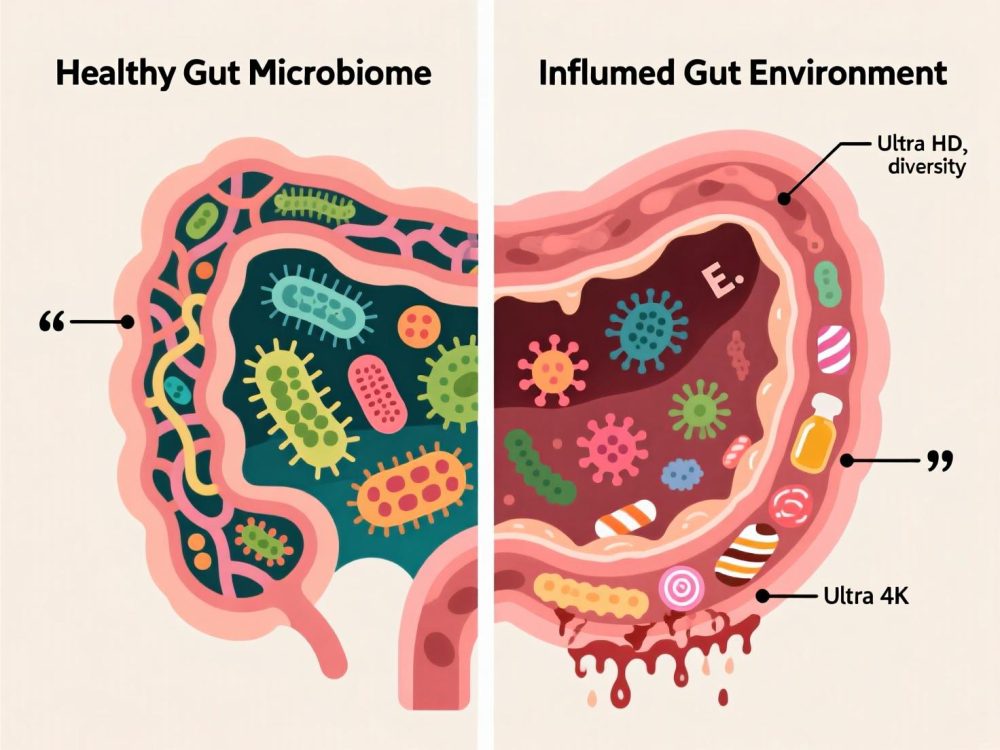
- The Gut Microbiome Connection: Emerging research strongly links gut health to weight regulation. The fiber in minimally processed foods feeds beneficial bacteria, while the emulsifiers, artificial sweeteners, and lack of fiber in UPFs can promote the growth of bacteria associated with inflammation, leaky gut, and metabolic dysfunction – creating an internal environment conducive to weight gain and harder to lose.
Beyond the Scale: The Ripple Effects of Choosing Real Food
The implications of this study extend far beyond just the number on the scale:
- Breaking the Craving Cycle: As the trial showed, reducing UPFs dramatically improves control over cravings, particularly for salty, savory junk. This isn’t willpower; it’s biology. Real food satisfies your body’s true needs.
- Sustainable Weight Management: The spontaneous calorie reduction and improved body composition (fat loss, muscle preservation) seen with minimally processed diets point towards a sustainable approach. You’re not fighting constant hunger; you’re working with your body’s natural signals.
- Long-Term Health Dividend: While short-term blood markers didn’t differ, the significant fat loss achieved with real food is the foundation for preventing type 2 diabetes, heart disease, certain cancers, and fatty liver disease. The nutrient density also supports overall cellular health and longevity.
- Mental Clarity & Energy: Stable blood sugar from whole foods avoids the energy crashes and brain fog often associated with UPF-heavy diets, leading to better focus and mood.
- Food Freedom: Moving away from hyper-palatable, engineered foods can help reset your palate. You start to appreciate the subtle, complex flavors of real ingredients, reducing the constant desire for intensely salty, sweet, or fatty hits.
Making the Shift: Practical Strategies to Ditch the Processed Trap
Knowing why UPFs are problematic is step one. Step two is action. This isn’t about perfection or expensive organic groceries (though those can help). It’s about progressively shifting the balance towards more recognizable, whole foods:
- Master the Kitchen (Start Small): You don’t need to be a chef. Begin with one or two simple, minimally processed meals per week.
- Breakfast Win: Ditch the oat bars. Make overnight oats (rolled oats + milk/yogurt + chia seeds + berries) the night before. Or scramble eggs with spinach.
- Lunch Hack: Batch cook a big pot of homemade Bolognese (lean ground meat, lentils, tons of veggies, tomato passata) on Sunday. Freeze portions. Pair with a simple side salad.
- Dinner Simplicity: Roast a tray of chicken thighs and vegetables (sweet potato, broccoli, bell peppers) with olive oil and herbs. Takes 30 minutes.
- Decode the Grocery Aisle (Shop the Perimeter): Focus your shopping on the outer edges of the store – produce, meat/fish counter, dairy – where whole foods live. Venture into the center aisles only for specific staples: canned beans (low sodium), canned tomatoes, rolled oats, nuts, seeds, olive oil, vinegar. Read labels – if it has a long ingredient list with unpronounceable items or multiple forms of sugar (sucrose, HFCS, maltodextrin, etc.), leave it.
- Embrace the “Processed” You Can See: Understand the spectrum. Minimally processed (frozen vegetables, plain yogurt, canned fish in water, whole grain bread with simple ingredients) is vastly different from ultra-processed (frozen meals, yogurt with gels/sugars, packaged snacks, most breakfast cereals). Focus on the former.
- Hydrate with Water: Ditch sugary sodas, juices, and flavored “vitamin” waters. They are major sources of UPF calories and sugar. Sparkling water with a squeeze of lemon/lime is a great alternative.
- Plan for Snack Attacks: Have minimally processed snacks ready: apple with almond butter, a small handful of nuts, plain Greek yogurt with berries, baby carrots with hummus. Avoid the processed snack aisle.
- Reframe “Convenience”: Pre-cut veggies, pre-washed greens, and frozen fruits/veggies are minimally processed and fantastic for making real food faster. They are your allies, not the enemy. Batch cooking is the ultimate convenience hack.
- Be Patient & Kind to Yourself: Shifting your diet takes time. Cravings will lessen. Your taste buds will adjust. Don’t aim for 100% overnight. Focus on consistently increasing the proportion of whole, minimally processed foods on your plate. Every real food choice is a victory.

The Bigger Picture: Policy, Access, and the Call for Change
The UCL researchers didn’t just stop at the findings; they issued a crucial call to action. This isn’t just an individual responsibility issue. The study underscores that food processing itself is a key driver of the obesity epidemic.
- Policy is Paramount: Governments and institutions need to prioritize policies that make minimally processed, whole foods more accessible, affordable, and appealing than ultra-processed options. This includes:
- Subsidies for Fruit/Vegetable Production: Making healthy staples cheaper.
- Restricting Marketing of UPFs to Children: Especially sugary cereals, snacks, and drinks.
- Clear Front-of-Package Labeling: Implementing systems like the NOVA classification (which categorizes foods by processing level) or warning labels on high-UPF products.
- Regulating Harmful Additives: Further research and potential restrictions on emulsifiers, artificial sweeteners, and excessive additives linked to health issues.
- Improving Food in Public Institutions: Schools, hospitals, and government buildings should serve predominantly minimally processed meals.
- The Accessibility Challenge: For many, especially in food deserts or on tight budgets, accessing fresh, whole foods is difficult. Solutions require systemic change – supporting local farmers’ markets in underserved areas, expanding SNAP benefits for produce, community gardens, and education on affordable cooking with staples like beans, lentils, and seasonal produce.
The Verdict: Your Fork is Mightier Than Your Scale
The UCL trial delivers an unambiguous message: Counting calories while relying on ultra-processed foods is a losing strategy for sustainable weight loss. The very nature of how our food is manufactured actively works against our body’s natural hunger and fullness signals, promoting overconsumption and fat storage, even when nutrient labels look identical on paper.
Choosing minimally processed foods – oats, vegetables, fruits, lean proteins, legumes, whole grains – isn’t just about “eating healthy.” It’s about harnessing the power of real food to reset your metabolism, crush cravings, lose fat effectively, and build a foundation for lifelong health. It creates the spontaneous calorie deficit that rigid calorie counting often fails to deliver sustainably.
This isn’t about deprivation; it’s about liberation. Liberation from constant hunger, relentless cravings, and the frustrating cycle of yo-yo dieting. It’s about nourishing your body with the complex symphony of nutrients it evolved to thrive on.
Stop fighting your biology by eating foods designed to override it. Start working with your body by choosing foods that support it. The path to easier, more effective weight loss isn’t found in a calorie counter app – it’s found in the produce aisle, the bulk bin section, and your own kitchen. Ditch the ultra-processed trap, embrace real food, and discover that weight loss isn’t about restriction, but about eating more of the right things.
Your body has been waiting for real food. Give it what it needs, and watch the results follow.