

On June 12, 2025, Air India Flight AI171 —a Boeing 787-8 Dreamliner bound for London Gatwick—crashed just 1.5 km (0.9 miles) from Ahmedabad International Airport, killing 241 passengers, crew, and multiple people on the ground . The sole survivor, a British man seated near an emergency exit, remains hospitalized. This article examines the causes, survivor accounts, and global aviation safety concerns following one of the deadliest air disasters of the decade.
Timeline of the Tragedy
1. Takeoff and Immediate Distress
At 1:39 PM IST , Flight AI171 departed Runway 13 with 242 people onboard , including 10 infants. Witnesses reported hearing a “loud bang” shortly after liftoff, followed by a mayday call. The aircraft, carrying 100 tonnes of fuel , struggled to gain altitude and disappeared from radar 30 seconds after takeoff .
2. Crash into Residential Area
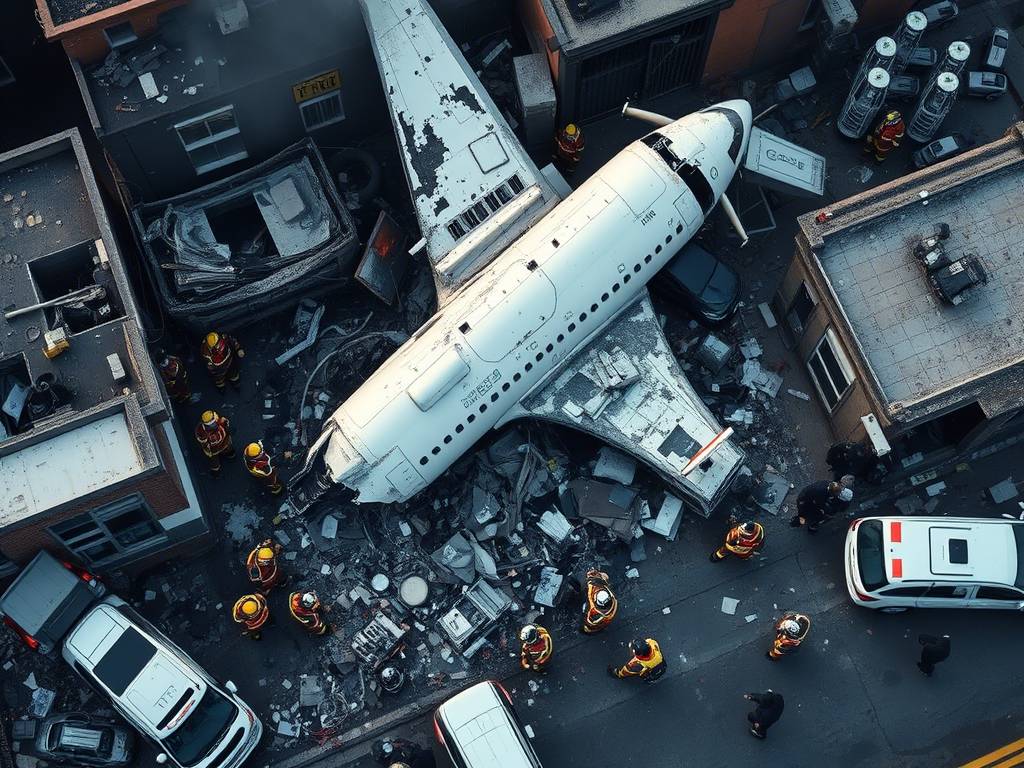
The plane plummeted into a densely populated neighborhood near Lal Darwaja , Ahmedabad, striking a college hostel and residential buildings. Verified footage showed the jet flying low before descending behind trees, followed by a massive explosion.
3. Survivor’s Miraculous Escape
The lone survivor, a British national in seat 11A (near an emergency exit) , described the plane “breaking in half.” While the rear section caught fire, he escaped the front half and was rescued by locals. Experts attribute his survival to sheer luck, as front seats are typically less survivable in crashes.
Investigation Findings: What Caused the Crash?
1. Double Engine Failure?
Initial speculation centered on a rare double engine failure . The Boeing 787-8’s General Electric GEnx-1B engines may have lost thrust due to:
- Fuel contamination causing starvation.
- Bird strikes , as Ahmedabad Airport reported 38 bird strikes in 2023 alone .
- Ram Air Turbine (RAT) deployment failure , which provides emergency power during engine shutdowns.
However, experts like aviation analyst Mohan Ranganathan called dual engine failure “extremely rare,” citing the 2009 Hudson River “miracle” as a precedent.
2. Flap Configuration Errors
Investigators are scrutinizing whether the flaps were improperly extended during takeoff. Flaps generate lift, especially critical in Ahmedabad’s 40°C heat , which reduces air density. A misconfiguration could have left the fully fueled jet unable to climb.
- Pilot error? The 787’s takeoff Configuration Warning System should have alerted the crew to unsafe flap settings.
- Cockpit voice recorder data will clarify if warnings were ignored.

3. Bird Strike Suspicions
Ahmedabad Airport’s history of bird strikes (462 incidents in 5 years) has intensified scrutiny. While bird ingestion at low altitude could damage both engines, experts note the lack of visible debris in available footage.
Technical Challenges and Climate Factors
1. Boeing 787-8’s Safety Record
This marks the first fatal crash of a Boeing 787-8 since its 2011 debut. Known for its carbon-fiber fuselage and fuel efficiency, the Dreamliner’s reliability makes this disaster shocking.
2. Extreme Heat and Performance Limits
Ahmedabad’s 42°C temperature likely degraded engine performance. Hotter air reduces oxygen intake, forcing engines to work harder—a factor in past crashes like the 1999 LAPA Flight 3142 disaster.
3. Runway Safety at Tier-2 Airports
Ahmedabad’s single runway and proximity to urban areas raised concerns. The Engineered Materials Arresting System (EMAS) failed to prevent the overrun, highlighting infrastructure gaps at secondary airports.
Global Response and Lessons Learned
1. Multinational Investigation
India’s Aircraft Accident Investigation Bureau (AAIB) is leading the probe with support from the US NTSB and UK AAIB . Key steps include:
- Recovering the black box (flight data and cockpit voice recorders).
- Analyzing debris for metallurgical defects or bird remains.
- Reviewing air traffic control communications.
2. Industry Reforms Post-Crash
The incident may prompt:
- Stricter bird strike mitigation at Indian airports.
- Enhanced flap configuration checks for hot-weather takeoffs.
- Updates to Boeing’s GEnx-1B engine design.
3. Passenger Safety and Communication
Critics highlighted delays in passenger communication during the crisis. Air India faces pressure to improve evacuation protocols and in-flight safety briefings for emergencies.
Conclusion: A Wake-Up Call for Aviation
The Air India Flight AI171 crash underscores vulnerabilities in modern aviation, from aging infrastructure to climate-related risks. While the industry mourns the lives lost, the investigation offers a chance to strengthen safety protocols globally. As experts remind us, every tragedy holds lessons—lessons that must be heeded to prevent future disasters.
FAQs
Q1: How many people died in the Air India crash?
A: At least 241 onboard and multiple fatalities on the ground .
Q2: Was the Boeing 787 involved in past crashes?
A: No fatal crashes prior to 2025.
Q3: Why did the survivor survive?
A: Likely due to proximity to an exit and the plane breaking apart mid-crash.
Q4: How long will the investigation take?
A: Preliminary reports may take 3–6 months , with final findings in 1–2 years .

