Fasting isn’t just a trend—it’s a biological superpower. When you abstain from food for 14–16 hours, your body initiates a remarkable process called autophagy , often dubbed “self-eating.” This isn’t a destructive act but a highly organized cellular spa day , where your body cleans house, recycles waste, and rebuilds itself stronger. Let’s dive into the science of autophagy, its life-changing benefits, and how you can harness it through fasting.
What Is Autophagy? The Body’s Built-In Cleaning Crew
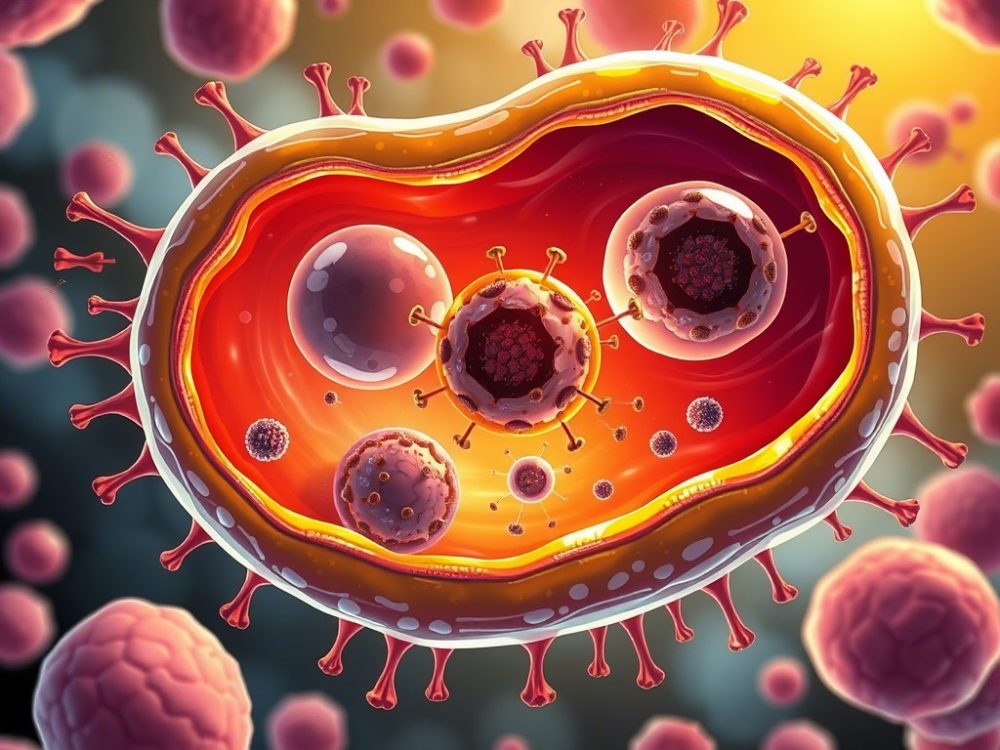
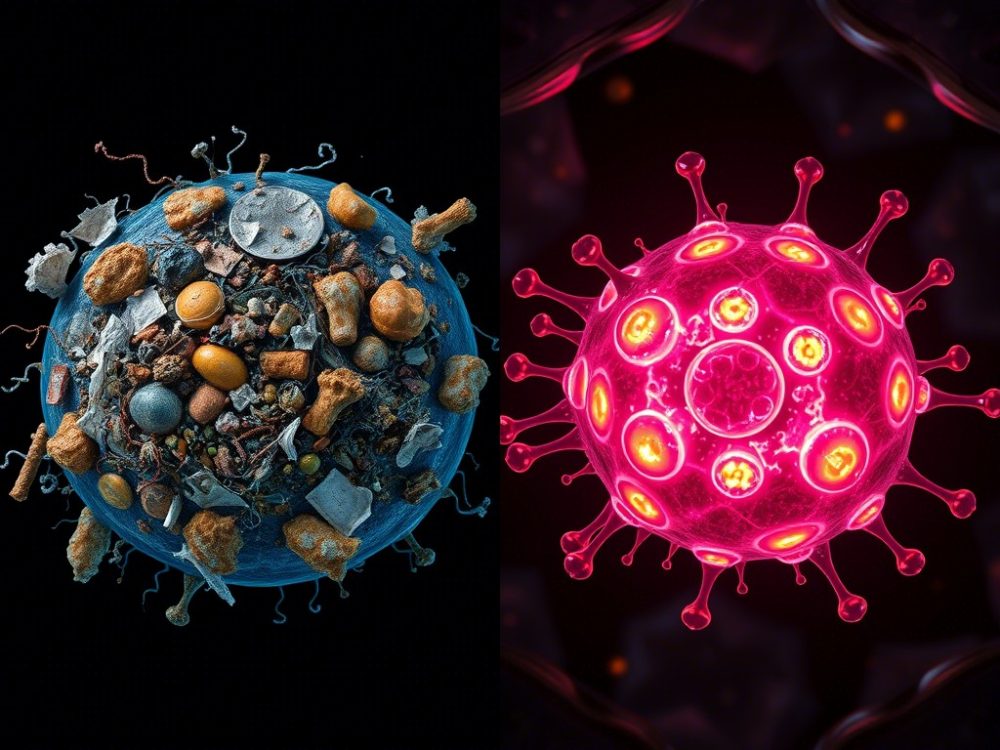
Autophagy (from the Greek “auto” meaning “self” and “phagy” meaning “eating”) is your cells’ way of decluttering. Imagine your body as a bustling city: over time, debris like faulty proteins, damaged mitochondria, and pathogens accumulate, clogging cellular machinery. Left unchecked, this waste accelerates aging and fuels diseases like Parkinson’s, Alzheimer’s, and type 2 diabetes.
Enter autophagy: a process where cells package this junk into vesicles called autophagosomes, which then fuse with lysosomes (the cell’s recycling center) to break down waste into reusable components like amino acids and fatty acids. The result? A refreshed, energy-efficient cell.
Pro Tip: Think of autophagy as a recycling plant and power generator in one. It doesn’t just clean up—it turns trash into fuel!
How Fasting Triggers Autophagy: A Step-by-Step Breakdown
Step 1: Insulin Drops, Fat Cells Release Energy
When you fast, insulin levels plummet. Low insulin signals fat cells to release stored glucose and ketones, shifting your body from storage mode to clean-up mode .
Step 2: Enzymes Tag Cellular Junk
With less glucose to burn, enzymes like AMPK (AMP-activated protein kinase) activate, marking damaged proteins and organelles for destruction.
Step 3: Lysosomes Recycle the Waste
Autophagosomes engulf the tagged waste and deliver it to lysosomes, which break it down. The resulting molecules fuel energy production or rebuild new cellular components.
Science Spotlight: Studies show autophagy ramps up significantly after 12–16 hours of fasting, peaking around 24 hours (Levine & Kroemer, 2008).
Why Autophagy Matters: 7 Life-Changing Benefits
1. Slows Aging at the Cellular Level
Autophagy clears senescent (“zombie”) cells that secrete inflammation, a key driver of aging. By recycling damaged mitochondria, it boosts cellular energy and longevity.
2. Fights Neurodegenerative Diseases
Parkinson’s and Alzheimer’s are linked to protein buildup (e.g., alpha-synuclein and amyloid-beta). Autophagy removes these toxic aggregates, protecting brain health.
3. Strengthens the Immune System
By eliminating intracellular pathogens like viruses and bacteria, autophagy acts as a first line of defense against infections.
4. Reduces Inflammation
Chronic inflammation is the root of heart disease, arthritis, and cancer. Autophagy suppresses inflammatory pathways by clearing damaged cell parts that trigger immune responses.
5. Improves Insulin Sensitivity
Autophagy helps cells respond better to insulin, lowering blood sugar levels and reducing type 2 diabetes risk.
6. Enhances Muscle Performance
Exercise-induced autophagy repairs muscle fibers post-workout, improving strength and recovery.
7. Supports Heart Health
By clearing fatty deposits and damaged cells in arteries, autophagy reduces plaque buildup and cardiovascular disease risk.
How to Activate Autophagy: Fasting Protocols That Work
1. Intermittent Fasting (16:8 Method)
Fast for 16 hours daily, eating within an 8-hour window (e.g., 12 PM–8 PM). This daily rhythm keeps autophagy active.
Example Meal Plan:
- Lunch: Grilled salmon, quinoa, and leafy greens.
- Snack: Avocado with olive oil and herbs.
- Dinner: Stir-fried veggies and tofu or chicken.
2. 24-Hour Fasts (Once Weekly)
Also known as the “Eat-Stop-Eat” method. Fast from dinner to dinner (or lunch to lunch) once a week.
3. Time-Restricted Eating (TRE)
Compress meals into a 6–10-hour window aligned with circadian rhythms (e.g., sunrise to sunset).
Pro Tip: Pair fasting with a low-carb, high-fat diet (e.g., keto) to amplify ketone production, which further boosts autophagy.
Boost Autophagy Even More: The Role of Exercise
High-intensity interval training (HIIT) and resistance training activate autophagy in muscles and organs. A 2012 study in Nature found that 30 minutes of treadmill running increased autophagy markers in mice.
Best Exercises for Autophagy:
- Sprint intervals (30 seconds sprint, 1 minute walk x 10 rounds).
- Resistance training (weightlifting or bodyweight exercises).
- Yoga (stimulates autophagy via stress reduction and improved circulation).
FAQs: Everything You Need to Know
Q: Does coffee break a fast?
A: Black coffee (no sugar/creamer) is generally safe, as it contains negligible calories and may even boost autophagy.
Q: Can I exercise while fasting?
A: Yes! Light to moderate workouts (yoga, walking) are ideal. For intense sessions, break your fast afterward to replenish glycogen.
Q: Who shouldn’t fast?
A: Pregnant women, underweight individuals, and those with eating disorders or diabetes should consult a doctor.
Final Thoughts: Make Autophagy Your Secret Weapon
Autophagy isn’t a magic pill—it’s a biological marvel waiting to be unlocked. By integrating fasting and smart lifestyle choices, you can transform your body into a self-renewing powerhouse. Ready to start? Begin with a 12-hour nightly fast and gradually extend the window. Your cells will thank you!