
Los Angeles has become the epicenter of a national crisis as anti-ICE protests enter their fourth day, fueled by outrage over recent immigration raids and the controversial deployment of military forces. With tensions soaring and political divisions widening, the city faces unprecedented challenges. This article breaks down the key developments, political reactions, and broader implications of the unrest.

The Spark: Immigration Raids Ignite Outrage
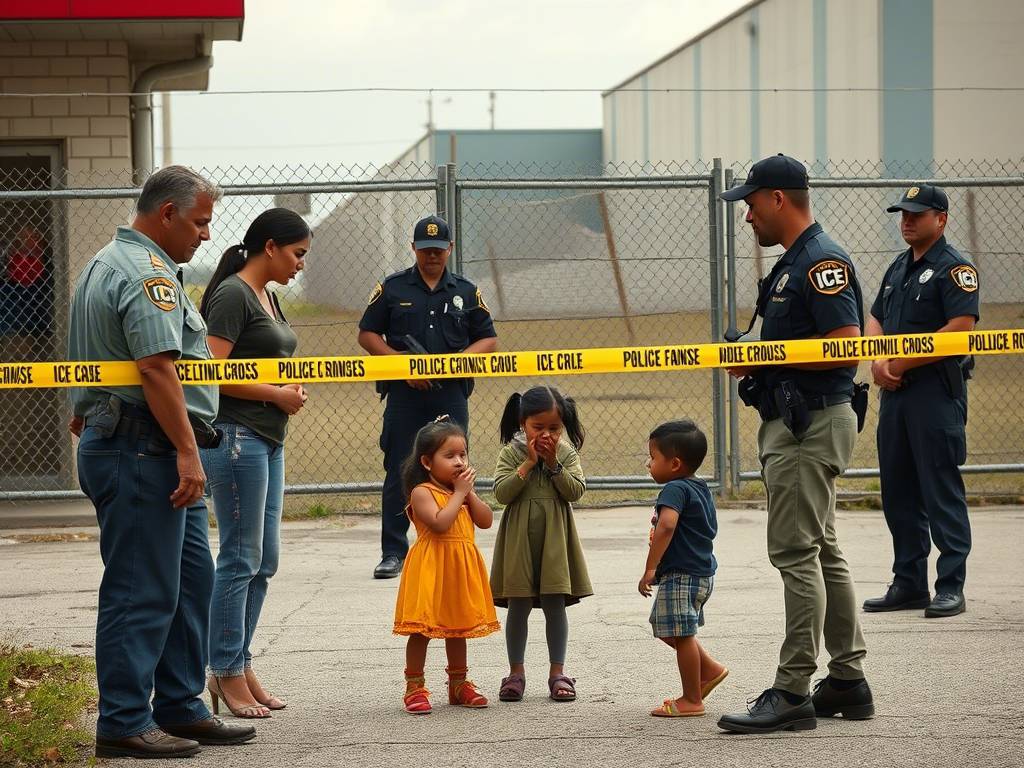
The protests began after Immigration and Customs Enforcement (ICE) conducted a series of high-profile raids across Los Angeles, resulting in over 500 arrests. Critics argue these operations targeted vulnerable communities without sufficient cause, exacerbating fears of deportation among undocumented residents. Advocacy groups report that many arrested were not violent offenders but long-standing members of the community, including parents of U.S. citizens.
The raids, authorized under the Trump administration’s “zero-tolerance” immigration policy, have drawn comparisons to 2018 enforcement actions that sparked nationwide backlash. However, this latest escalation has intensified calls for reform, with protesters demanding an end to what they describe as “systemic cruelty.”
Military Deployment: National Guard and Marines Arrive
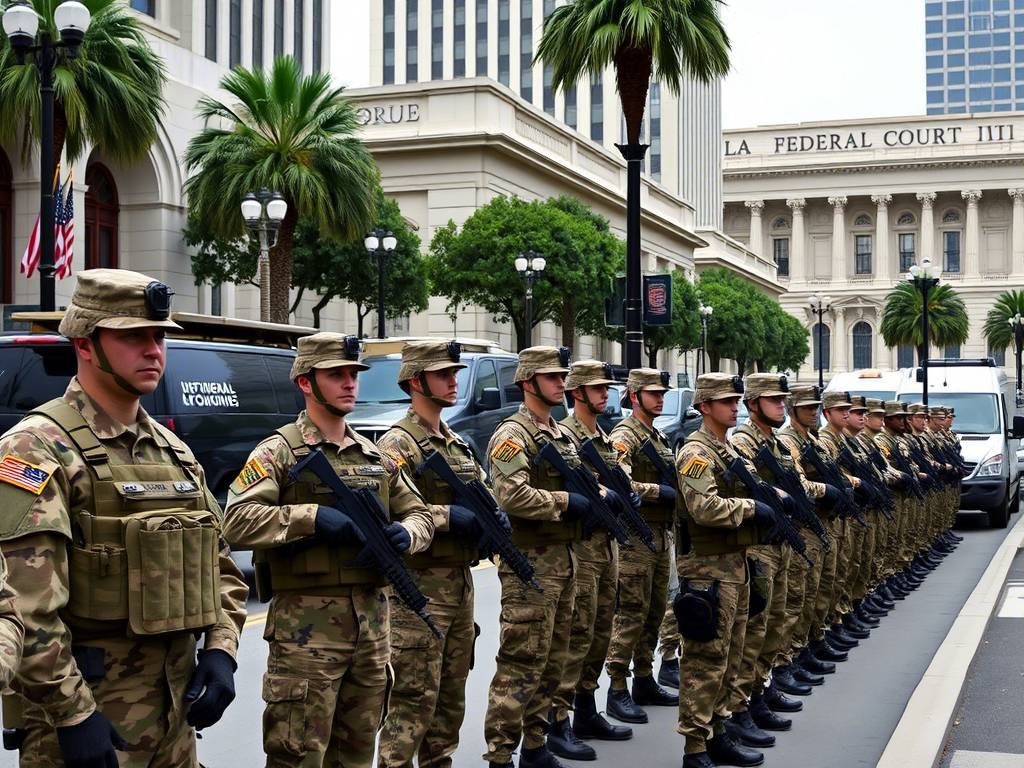
On June 8, 2025, the Pentagon announced the deployment of 4,000 National Guard troops and 700 active-duty Marines to Los Angeles. The move, approved by President Donald Trump, aims to “protect federal property” and “restore order” amid the demonstrations.
Defense Secretary Pete Hegseth defended the decision during a tense congressional hearing, stating, “When cities fail to uphold the rule of law, the federal government must act decisively. This is not about politics—it’s about security.” Hegseth, a former Trump ally and controversial figure due to his past comments on military interventions, drew parallels to the 2020 protests following George Floyd’s death, which saw similar military mobilizations.
However, the deployment has faced immediate pushback. California Governor Gavin Newsom filed an emergency lawsuit to block the troops’ arrival, calling it an “illegal overreach” and a provocation that “threatens to militarize our streets.” Legal experts note that the Posse Comitatus Act generally prohibits using active-duty military for domestic law enforcement, though exceptions exist for national security emergencies.
Political Fallout: A Divided Nation
The crisis has deepened partisan divides, with leaders clashing over immigration policy, states’ rights, and the role of the military.
Mayor Karen Bass: A Vocal Defender of LA
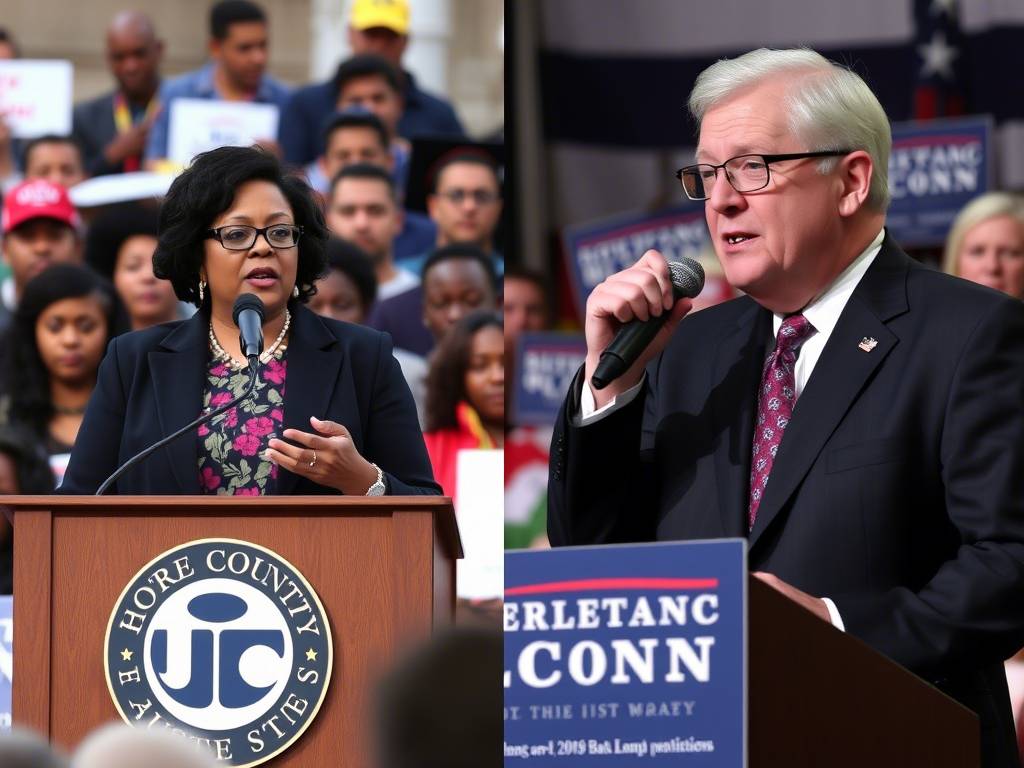
Los Angeles Mayor Karen Bass has emerged as a central figure in the debate. The Democratic mayor has held daily press conferences condemning the federal intervention, stating, “Los Angeles will not be bullied by Washington. We stand with our immigrant families.” Bass has coordinated with local law enforcement to de-escalate tensions and has called for a federal review of ICE’s tactics.
Democrats Criticize Trump’s Approach
Senator John Fetterman (D-PA) joined progressive lawmakers in condemning the raids and military deployment. “Sending troops to quell protests isn’t the solution—it’s a symptom of a broken system,” Fetterman tweeted. Meanwhile, moderate Democrats have urged protesters to “remain peaceful” while acknowledging concerns about ICE’s methods.
Republicans Back the Administration
Republican leaders, including Senate Minority Leader Mitch McConnell, have praised Trump’s “strong leadership” in enforcing immigration laws. “Cities like LA have become sanctuaries for illegal activity. The president is right to step in,” McConnell said in a recent interview.
Legal and Ethical Debates: Military Involvement in Civil Unrest
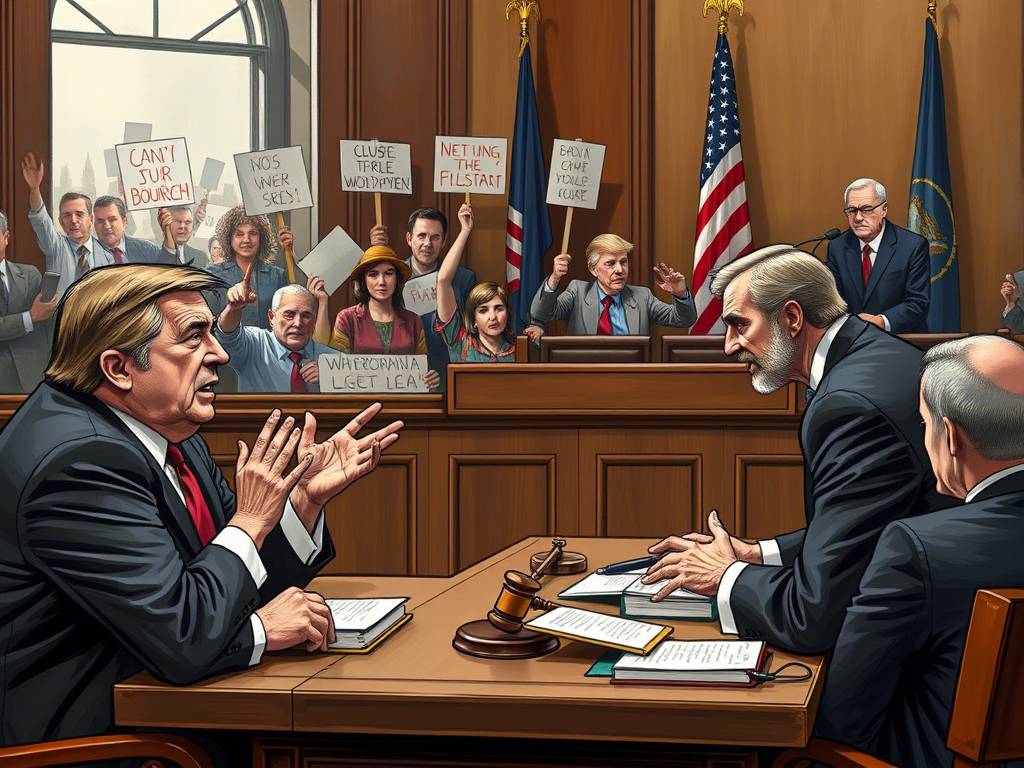
The use of active-duty troops in Los Angeles has reignited debates about the military’s role in domestic affairs. Under the Insurrection Act, presidents can deploy troops to suppress civil disturbances, but critics argue this power is rarely justified.
Legal scholar Dr. Maria Chen notes, “The line between protecting federal property and policing citizens is dangerously thin. This could set a precedent for future administrations to weaponize the military.”
Conversely, Homeland Security officials insist the troops’ presence is purely defensive. “They’re not engaging with protesters—they’re ensuring federal facilities remain operational,” a spokesperson said.
Community Impact: Fear and Resilience
For LA’s immigrant communities, the raids and military buildup have compounded existing anxieties. Local organizations report a surge in requests for legal aid, while schools have seen higher absentee rates among students fearing family separations.
Maria Gonzalez, a mother of three and undocumented resident, shared her fears anonymously: “I’ve lived here for 15 years. I work hard, pay taxes, and now I’m terrified my kids will grow up without me.”
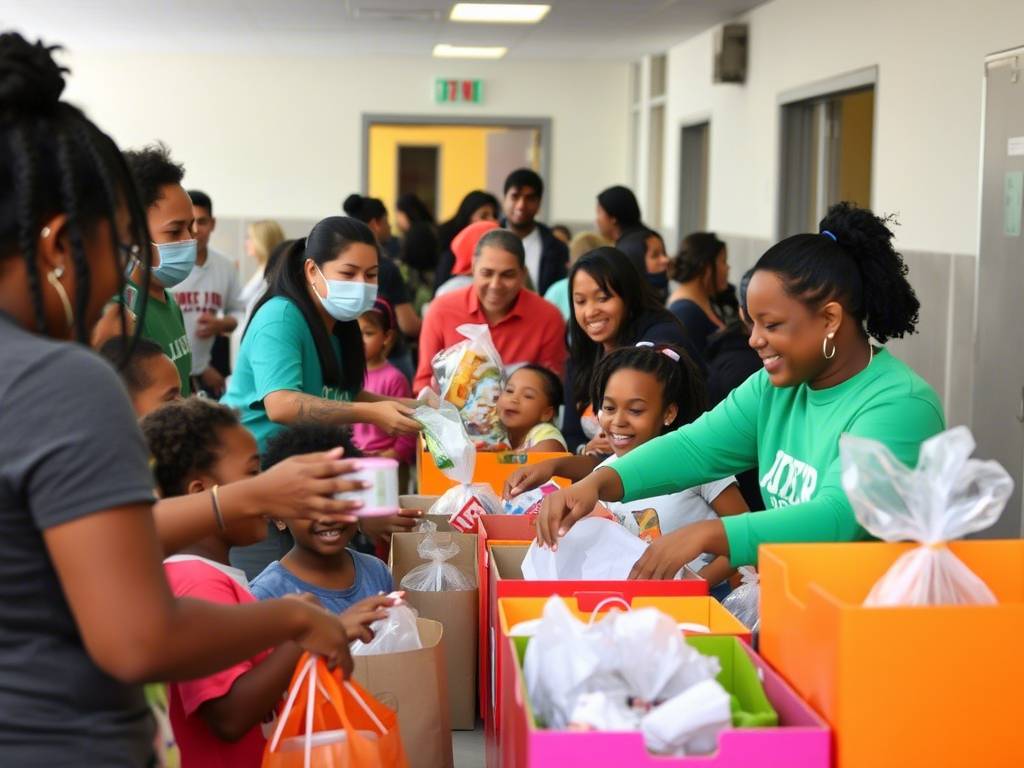
Despite the turmoil, community leaders emphasize resilience. “We’re organizing food drives, legal clinics, and mental health support,” says Rev. David Kim of the First Baptist Church in Echo Park. “This is about more than politics—it’s about humanity.”
What’s Next? Predictions and Scenarios
As the protests continue, several outcomes are possible:
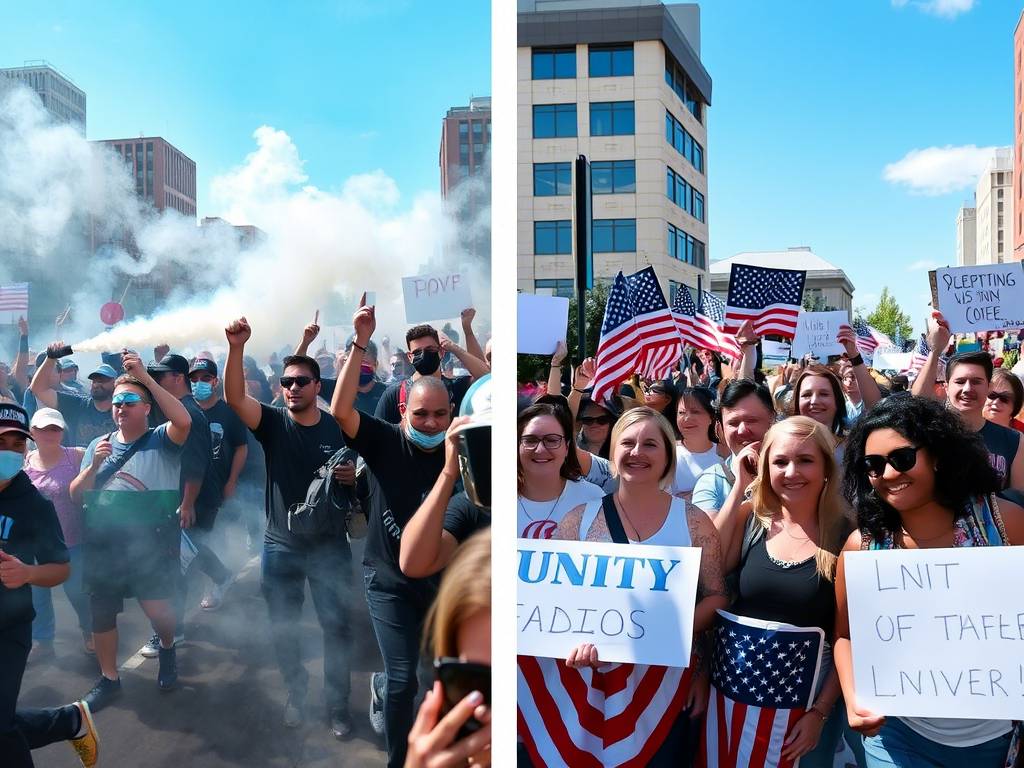
- Escalation : Clashes between protesters and troops could lead to injuries and nationwide outrage.
- Negotiated Resolution : Governor Newsom’s lawsuit may force a compromise, such as limiting troop roles or halting raids temporarily.
- Policy Reform : The crisis could pressure Congress to address immigration system flaws, though bipartisan gridlock remains a hurdle.
Conclusion: A Nation at a Crossroads
The situation in Los Angeles is more than a local story—it’s a reflection of deeper national struggles over immigration, federal authority, and civil rights. As the world watches, the choices made in the coming days will shape America’s trajectory for years to come.
Stay tuned for updates as this story develops.

