
Introduction: A Nation Reacts to Biden’s Prostate Cancer Diagnosis
On May 18, 2025, a major health update regarding President Joe Biden sent shockwaves across the nation. Reports surfaced confirming the 82-year-old president’s diagnosis with prostate cancer , a condition that affects over 2.8 million men in the U.S. annually. This revelation has sparked widespread discussions about presidential health transparency, the aging leadership demographic, and the implications for Biden’s remaining term.
In this comprehensive guide, we delve into the medical, political, and social dimensions of Biden’s diagnosis, offering insights into his treatment plan, public response, and what this means for the future of his presidency.
Understanding Prostate Cancer: Symptoms, Risks, and Prevention
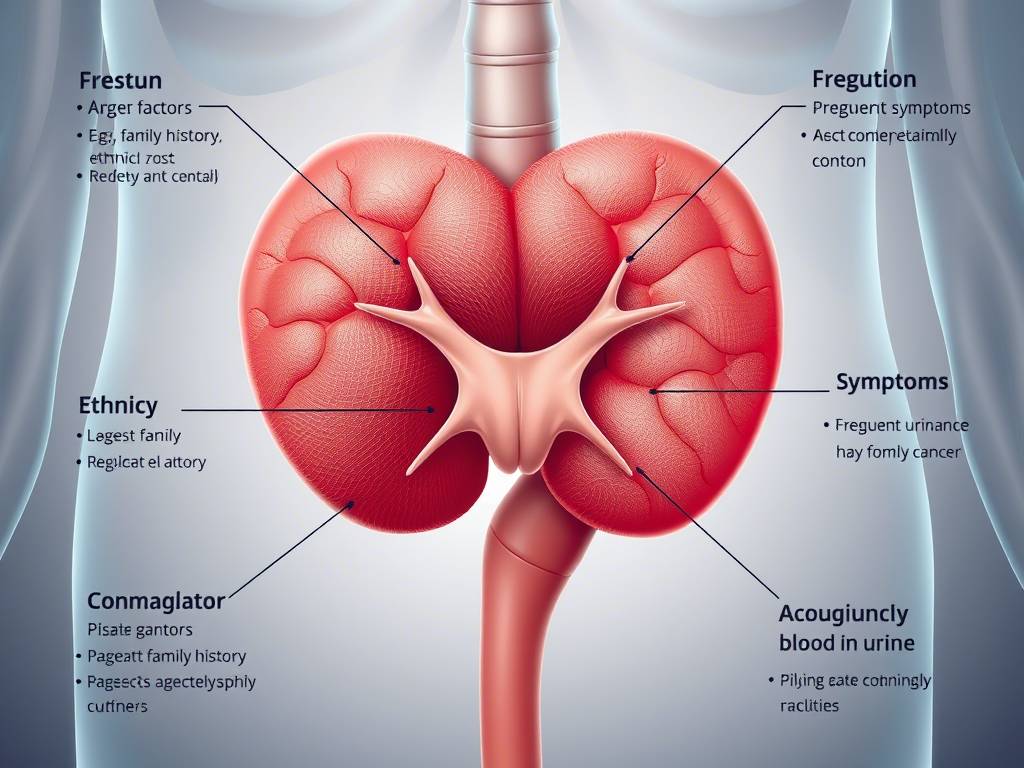
Prostate cancer is the second most common cancer among men globally, with early detection often improving outcomes. Common symptoms include:
- Difficulty urinating
- Blood in urine or semen
- Pelvic discomfort
- Erectile dysfunction
Risk Factors :
- Age (over 50)
- Family history
- Race (higher incidence in Black men)
- Diet high in red meat
Biden’s Diagnosis: Key Details Revealed
According to White House officials, Biden’s prostate cancer was detected during a routine annual physical. Early-stage, localized cancer was identified, with no evidence of metastasis. The president has since begun treatment, combining hormone therapy and targeted radiation.
Notably, this marks Biden’s second cancer diagnosis; he previously underwent surgery for a malignant melanoma lesion in 2013.
Medical Insights: Expert Opinions on Biden’s Treatment Plan
Dr. Emily Torres, an oncologist at Johns Hopkins University, stated, “Localized prostate cancer has a 98% five-year survival rate when treated promptly. Biden’s age and prior health history will factor into his care, but modern therapies offer optimism.”
Treatment options for prostate cancer include:
- Surgery (prostatectomy)
- Radiation Therapy
- Hormone Therapy
- Active Surveillance
Political Fallout: How Does This Affect Biden’s Presidency?
The diagnosis has reignited debates about Biden’s age and stamina for the presidency. Supporters praise his transparency, while critics question his ability to serve a full term. Polls show a divided public: 52% express confidence in his recovery, while 45% worry about leadership continuity.
Key concerns include:
- Succession Plans : Is Vice President Kamala Harris prepared to assume power?
- Campaign Strategy : Will Biden seek re-election in 2028?
- Health Transparency : Calls for stricter medical disclosure laws for politicians.
Global Reactions: International Media Coverage
International outlets like BBC and Al Jazeera have framed Biden’s diagnosis through the lens of global leadership dynamics. British Prime Minister Keir Starmer expressed, “Our thoughts are with President Biden. His resilience inspires us all.”
Raising Awareness: Prostate Cancer Prevention Tips
Biden’s diagnosis underscores the importance of early screening. Men over 50 are urged to:
- Schedule annual PSA (prostate-specific antigen) tests.
- Maintain a diet rich in vegetables and omega-3s.
- Exercise regularly to reduce cancer risk by up to 30%.
Conclusion: A Nation Watching Closely
As President Biden embarks on this health journey, the world watches to see how it shapes his leadership and legacy. While challenges lie ahead, his diagnosis also serves as a powerful reminder of the importance of preventive care and transparency in leadership.
Stay tuned for updates as we continue to monitor this developing story.

