
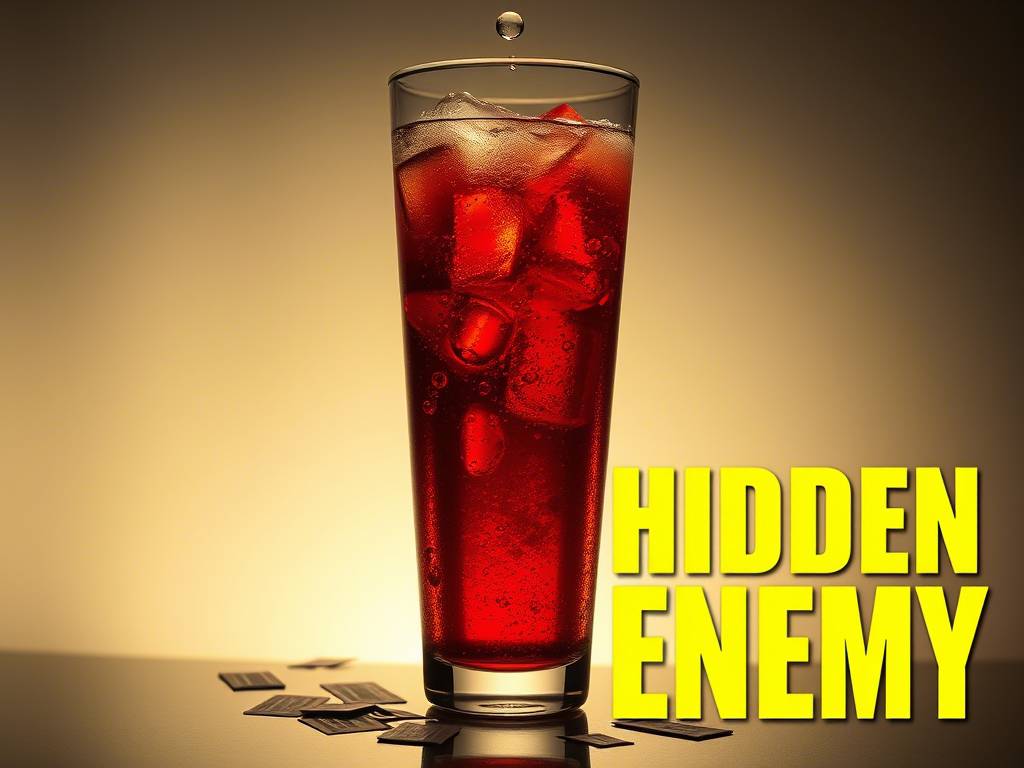
Sugary drinks are everywhere—from vending machines to café menus—but few realize their devastating impact on liver health. Even if you’re not overweight, daily consumption of soda, energy drinks, or “healthy” fruit juices could silently harm your liver. This article dives deep into how these beverages trigger fat buildup, increase the risk of non-alcoholic fatty liver disease (NAFLD), and why artificial sweeteners aren’t a safe escape. Plus, we’ll share actionable tips to slash sugar from your diet.
What Counts as a Sugary Drink?
Let’s clarify the culprits:
- Soda & Pop : Coke, Pepsi, and their diet counterparts.
- Energy Drinks : Monster, Red Bull, and pre-workout mixes.
- Fruit Juices : Even organic OJ or smoothies with added sugars.
- Sweetened Teas/Coffees : Frappuccinos, chai lattes, and bottled iced teas.
These drinks often contain high-fructose corn syrup (HFCS) , a sweetener linked to metabolic chaos. But why is fructose so harmful?
How Fructose Overloads Your Liver 🧠💔
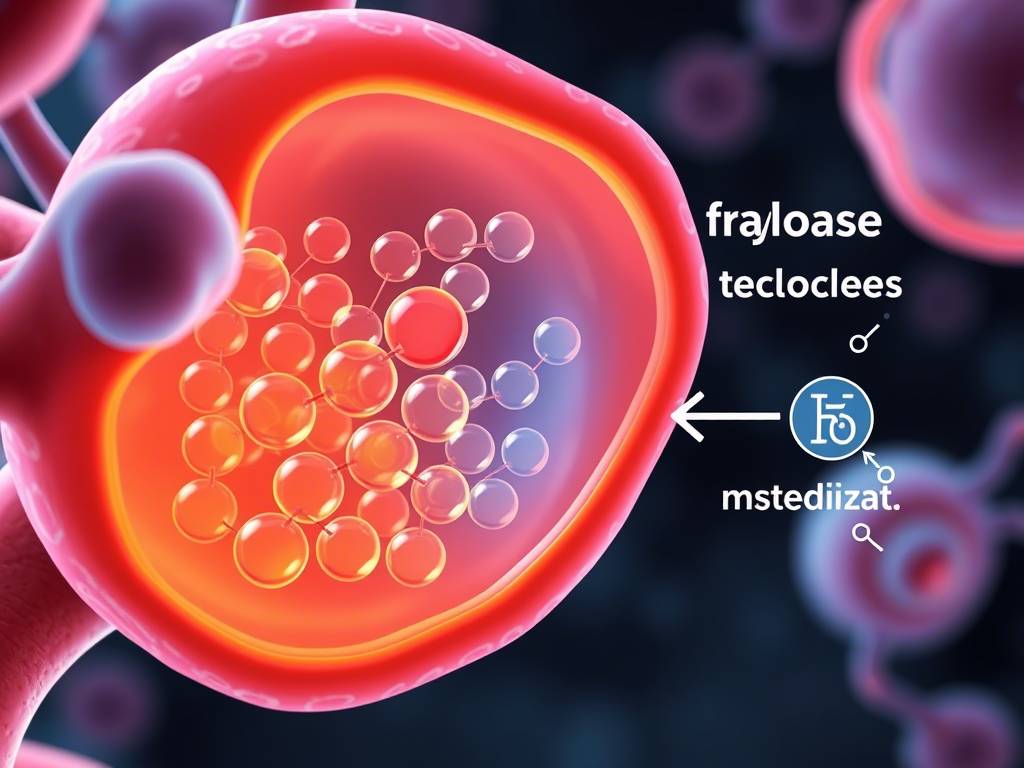
Unlike glucose (which fuels your body), fructose is metabolized almost entirely in the liver . When consumed in excess:
- The liver converts fructose into fat via de novo lipogenesis .
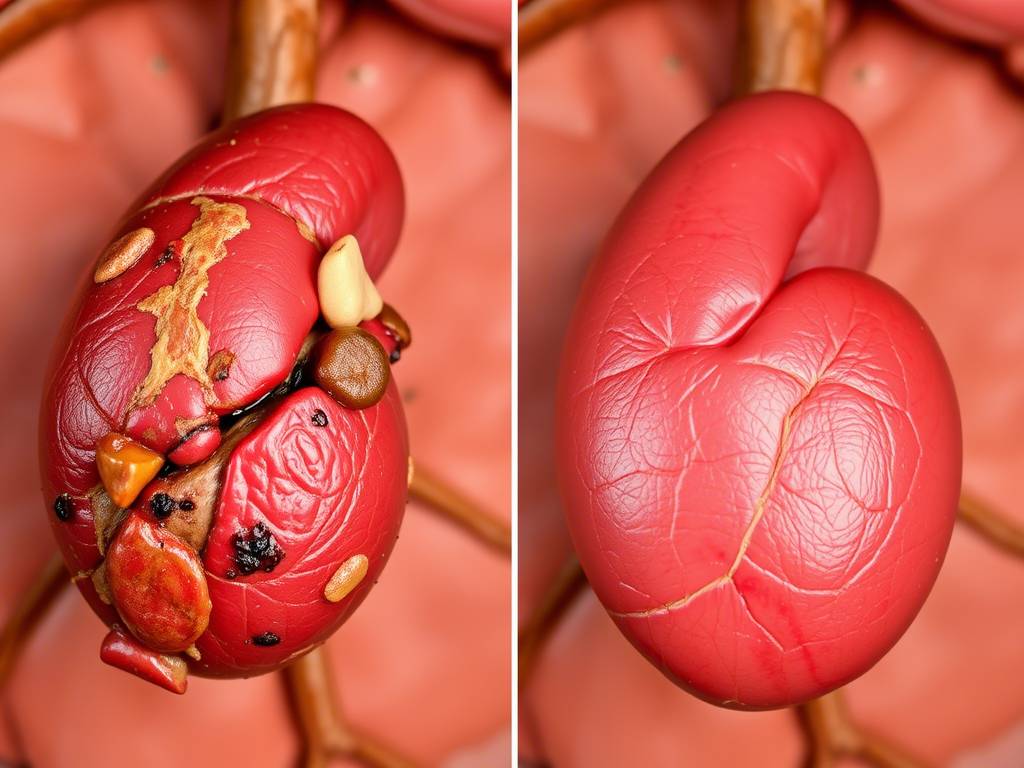
- Fat droplets accumulate, causing non-alcoholic fatty liver disease (NAFLD) .
- Chronic overload sparks inflammation, scarring, and cirrhosis.
A 2018 study in JHEP found that 30% of adults with NAFLD were not obese, highlighting how even “healthy” individuals are at risk.
The Healthy Weight Paradox: Why Thin Doesn’t Mean Safe
You might think NAFLD only affects those with obesity, but visceral fat (deep belly fat) is the real villain. Even slim people can have high visceral fat due to genetics, stress, or poor diet. A 2020 Nature study revealed that sugar-sweetened beverage (SSB) consumption directly correlates with liver fat—regardless of BMI.
Artificial Sweeteners: A Wolf in Sheep’s Clothing? 🐺
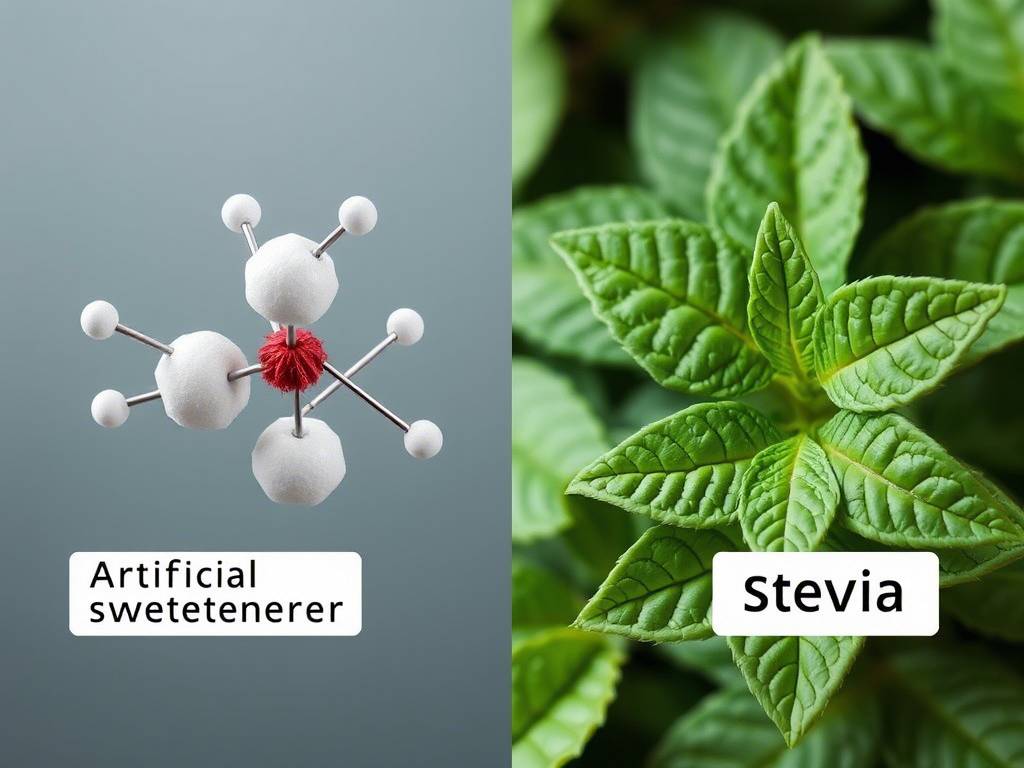
Diet sodas swap fructose for artificial sweeteners like aspartame or sucralose. But research in Cell Metabolism shows these may:
- Disrupt gut microbiota, worsening insulin resistance.
- Trigger sugar cravings by confusing brain-reward pathways.
- Increase NAFLD risk via altered bile acid metabolism.
While stevia or monk fruit are safer, overconsumption of any sweetener still promotes dependency on sweet tastes.
The Alarming Rise of NAFLD: By the Numbers 📈
- 1 in 3 Americans has NAFLD, up from 15% in 2000.
- SSBs account for 25% of daily fructose intake in teens.
- Children drinking 1+ soda daily have 2x higher odds of fatty liver.
How to Slash Sugar and Save Your Liver 🛡️

1. Read Labels Like a Pro
Avoid drinks with:
- High-fructose corn syrup
- Agave nectar
- Evaporated cane juice
2. Hydrate Smartly
Replace soda with:
- Infused water (lemon + mint)
- Herbal teas (peppermint or ginger)
- Sparkling water with a splash of 100% juice
3. Train Your Taste Buds
Gradually reduce sugar to reset cravings. Try:
- Diluting juice with seltzer
- Using cinnamon or vanilla extract for flavor
4. Watch Out for Hidden Sugars
- Energy drinks (12oz = 49g sugar!)
- “Low-fat” flavored yogurts
- Sports drinks
5. Embrace Natural Sweetness
Eat whole fruits (berries, apples) for fiber that slows sugar absorption.
FAQs: Your Liver Health Questions Answered 🙋♀️
Q: Is fruit juice really as bad as soda?
A: 100% unsweetened juice has vitamins but lacks fiber. Stick to 4–8 oz daily.
Q: Can exercise reverse NAFLD?
A: Yes! 30 mins of daily cardio reduces liver fat by 20–30% in 3 months.
Q: Are zero-calorie sweeteners safe?
A: Moderation is key. Opt for stevia or erythritol over aspartame.
Final Thoughts: Small Swaps, Big Rewards 🏆
Your liver works tirelessly to detoxify your body—don’t sabotage it with sweetened drinks. Start by swapping one soda a day with herbal tea or lemon water. Over time, these choices will slash your NAFLD risk and boost overall health.
Share this post to help loved ones avoid the silent threat of sugary drinks. Your liver will thank you!

