
Introduction
On May 5th, 2025, former President Donald J. Trump stunned the nation with a bold declaration: Alcatraz Prison would reopen . This move transformed the historic island from a tourist attraction into a symbol of his hardline immigration policies and “law and order” agenda. But the decision ignited fierce debates about human rights, fiscal responsibility, and America’s evolving justice system.
This article delves into the multifaceted implications of Trump’s plan to revive Alcatraz, examining its historical roots, logistical challenges, political backlash, and ethical dilemmas.
1. Alcatraz: A Haunting History Reborn
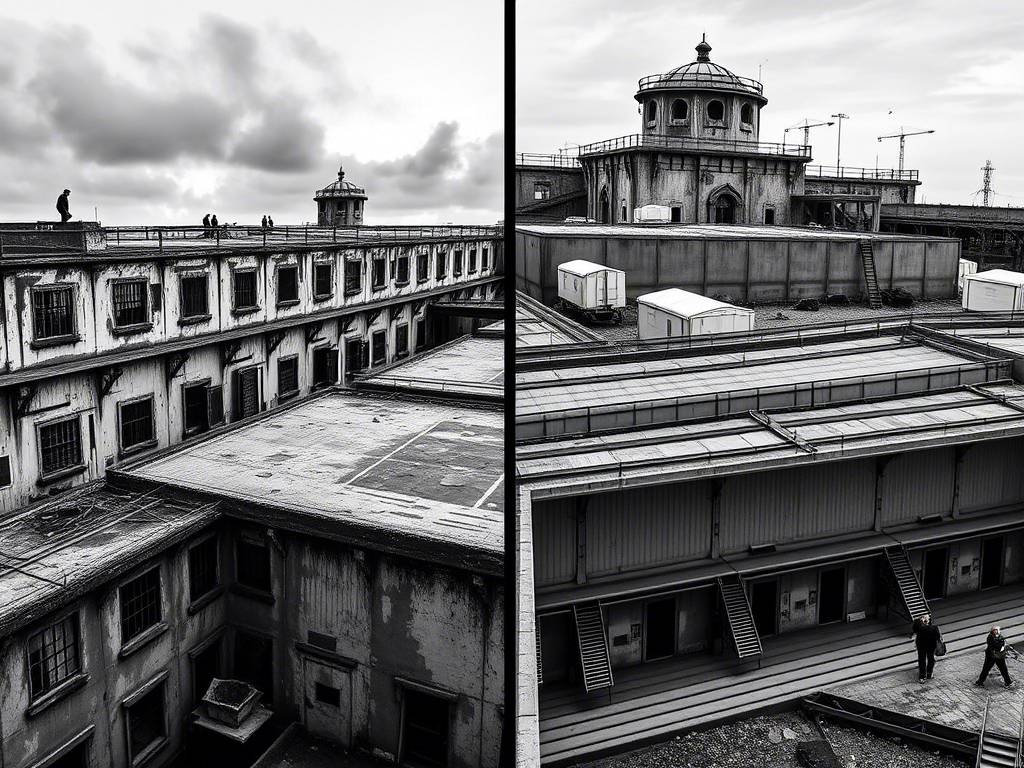
Alcatraz, once dubbed the “Rock of Regret,” operated as a federal penitentiary from 1934 to 1963. Infamous inmates like Al Capone and George “Machine Gun” Kelly were confined within its walls, surrounded by icy waters and inescapable security. Its closure in 1963 was driven by soaring costs and deteriorating infrastructure.
Now, Trump’s vision resurrects Alcatraz as a high-security facility for both criminals and undocumented immigrants. Critics argue this erases its role as a historical monument, while supporters see it as a return to punitive justice.
2. The Logistics of Building a Fortress
Reopening Alcatraz isn’t as simple as unlocking doors. The Bureau of Prisons (BOP) faces monumental challenges:
- Transportation : Moving materials and personnel across 1.5 miles of San Francisco Bay.
- Modernization : Upgrading 1930s infrastructure to meet 21st-century security standards.
- Budget : Estimates suggest costs could exceed $1 billion, dwarfing the BOP’s annual budget.
Collaboration between the FBI, Homeland Security, and private contractors will be critical. Yet, skeptics question whether the symbolic value justifies the expense.
3. California’s Fury: Sanctuary State vs. Federal Power

California, a sanctuary state, erupted in outrage. Governor Gavin Newsom called the plan a “cynical attack on our values,” while House Speaker Nancy Pelosi vowed to block funding. The state’s legal battle hinges on:
- Jurisdictional Conflict : Alcatraz falls under the National Park Service, not the BOP.
- Immigrant Rights : Using the prison for deportation detentions violates state laws protecting undocumented residents.
This clash underscores broader tensions between federal immigration authority and state sovereignty.
4. Fortress of Deportation: Immigration Policy Under Fire
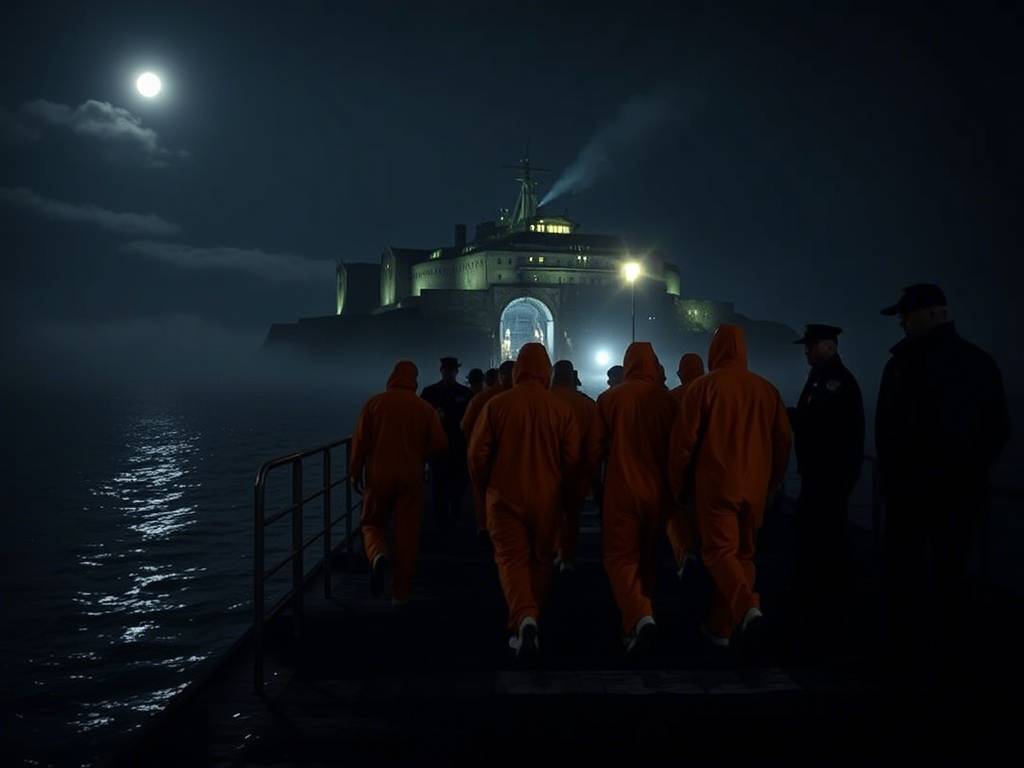
Trump’s plan to use Alcatraz for immigration detention has drawn global condemnation. Human rights groups argue:
- Cruel Conditions : Housing asylum seekers in a site synonymous with punishment violates international law.
- Deterrence Strategy : The administration claims the prison’s notoriety will discourage illegal border crossings.
Legal experts warn this could trigger prolonged court battles, reminiscent of past disputes over Guantanamo Bay.
5. A Nation Divided: Security vs. Humanity

Public opinion is sharply polarized:
- Supporters : View Alcatraz as a deterrent to crime and a tool to “secure borders.”
- Opponents : Warn of a regression to punitive policies that disproportionately target marginalized communities.
The debate mirrors America’s struggle to balance security with civil liberties—a tension that defines modern governance.
6. The Cost of Fear: Economic Implications
Alcatraz’s original closure stemmed from its exorbitant $3.3 million annual cost (adjusted for inflation). Today, estimates suggest Alcatraz 2.0 could cost taxpayers $500,000 per inmate annually—double mainland prisons. Critics argue these funds could better address root causes of crime and migration, such as poverty and violence in Central America.
7. Alcatraz as a Cultural Battleground
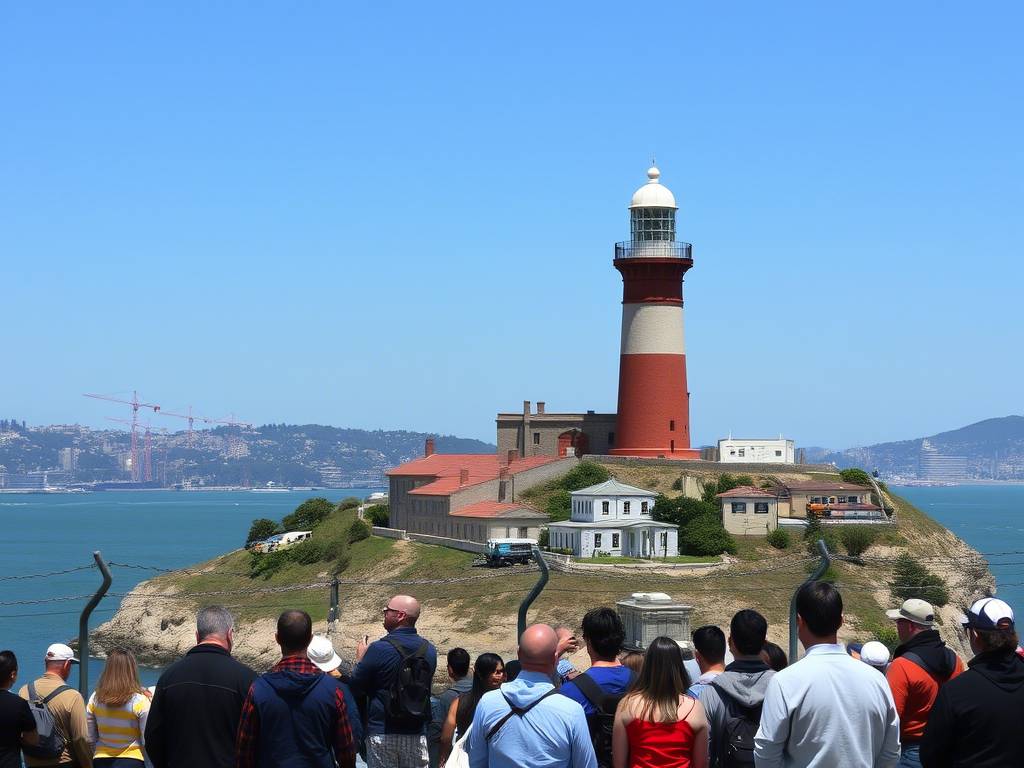
The prison’s transformation threatens its status as a UNESCO World Heritage Site. Historians warn that repurposing the island erases lessons from its past:
- Mass Incarceration : Alcatraz symbolizes the failure of solitary confinement and brutal discipline.
- Preservation vs. Politics : Will the National Park Service prioritize history or Trump’s agenda?
8. The Global Spotlight: Alcatraz and America’s Reputation
The international community views the reopening as a litmus test for U.S. values. Allies criticize the move as “regressive,” while authoritarian regimes may cite it as justification for their own harsh policies. How will America’s legacy of justice withstand scrutiny?
9. The Future of Alcatraz: A Symbol in Flux

The outcome remains uncertain. Will Alcatraz become a monument to Trump’s legacy or a cautionary tale of political overreach? The answer will shape not only the island’s fate but also America’s identity in an era of division.
Conclusion: The Rock That Divides
Alcatraz’s reopening transcends policy—it’s a reflection of America’s soul. As debates rage over justice, history, and humanity, one truth endures: the “Rock” will always hold a mirror to society’s darkest impulses and highest ideals.
FAQs
- Why did Trump reopen Alcatraz?
To create a high-security prison for criminals and undocumented immigrants, aligning with his “America First” and law-and-order platforms. - Is Alcatraz’s use for immigration detention legal?
Likely to face litigation, as the island is part of the National Park Service, not the BOP. - How much will Alcatraz 2.0 cost?
Estimated at $1 billion upfront, with annual operating costs exceeding $100 million. - Will Alcatraz still be a tourist attraction?
Unlikely, as the prison’s operations will restrict public access. - What’s the historical significance of Alcatraz?
It represents America’s penal past, including debates over solitary confinement and rehabilitation.

