

The world is holding its breath as President Donald Trump faces a pivotal decision: whether to authorize a military strike against Iran within the next two weeks. With tensions escalating between the U.S., Israel, and Iran, the stakes couldn’t be higher. This article dives deep into the political, military, and diplomatic intricacies surrounding Trump’s potential move, the implications of Iran’s nuclear program, and the global fallout of a U.S. intervention.

The Two-Week Deadline: What’s at Stake?
White House Press Secretary Karoline Leavitt announced on Thursday that President Trump will decide by the end of two weeks whether to join Israel in striking Iran’s Fordow nuclear site . The decision hinges on whether diplomatic negotiations with Iran can succeed in halting its nuclear ambitions.
Leavitt emphasized that Trump remains open to a peaceful resolution but warned that failure to negotiate could lead to military action. “The president is committed to preventing Iran from obtaining a nuclear weapon,” she stated, echoing longstanding U.S. policy.
Why Two Weeks?
The timeline is tied to Iran’s nuclear capabilities. Leavitt revealed that Iran already possesses the technical infrastructure to build a nuclear weapon and could complete production within weeks. “All they need is a decision from the Supreme Leader,” she said, underscoring the urgency.

The Nuclear Threat: Is Iran Closer Than We Think?
Iran’s nuclear program has long been a flashpoint in international relations. Despite the 2015 Iran Nuclear Deal (JCPOA), which limited uranium enrichment in exchange for sanctions relief, Iran has resumed enrichment activities post-2018.
What Does Leavitt Say?
Leavitt bluntly stated: “Iran has all that it needs to achieve a nuclear weapon.” She added that completing a weapon would take “a couple of weeks,” posing an “existential threat” to Israel, the U.S., and global stability.
Key Facts About Iran’s Nuclear Program:
- Enriched Uranium Stockpile: Iran has accumulated enough enriched uranium for multiple weapons.
- Secret Sites: The Fordow facility, buried deep underground, is a prime target for strikes.
- Missile Capabilities: Iran’s ballistic missiles could reach Israel, Europe, and parts of the U.S.
Diplomatic Efforts: Can Talks Save the Situation?
Despite the looming threat of war, Trump has left the door open for diplomacy. The U.S. is working with Middle East envoy Steve Witkoff to negotiate a deal that would eliminate Iran’s uranium enrichment and block its nuclear weapon development.
What’s on the Table?
- No Enrichment of Uranium: A core demand from the U.S.
- Sanctions Relief: Potential trade concessions in exchange for compliance.
- Verification Measures: International inspections to ensure compliance.
Leavitt confirmed that indirect talks with Iran have continued, including six rounds of negotiations. However, she declined to specify when talks might resume, citing ongoing discussions.
Israel’s Role: A Partner in the Fight Against Iran?
Israel has been a vocal advocate for U.S. military action, particularly targeting Iran’s Fordow site. Prime Minister Benjamin Netanyahu has long argued that a nuclear-armed Iran would destabilize the Middle East and threaten Israel’s existence.
Why Fordow?
- Hidden Location: The facility is located under a mountain, making it harder to destroy.
- Strategic Importance: It’s a key hub for Iran’s enrichment activities.
- Symbolic Target: Destroying Fordow would send a clear message to Iran.
However, Trump faces pushback from his base. During the 2016 campaign, he promised to end “forever wars” and prevent World War III. Critics argue that entering a conflict with Iran would contradict these pledges.
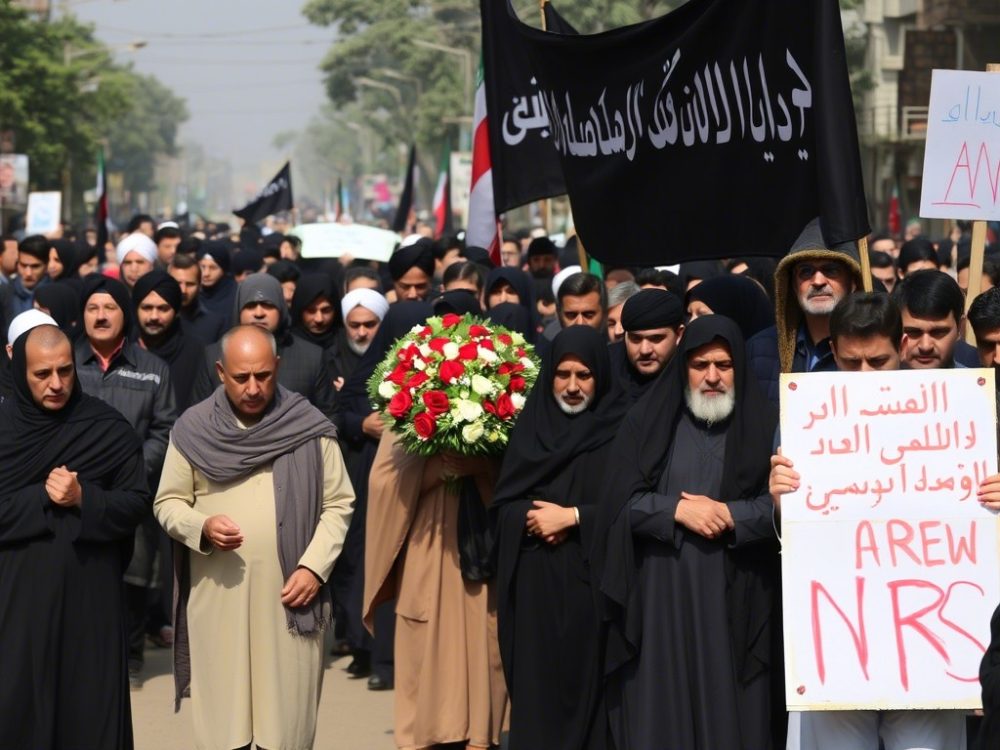
Public Reaction: Support vs. Skepticism
Leavitt addressed concerns from Trump supporters during a press briefing, urging trust in the president’s judgment. “With respect to Iran, nobody should be surprised by the president’s position that Iran absolutely cannot obtain a nuclear weapon,” she said.
Supporters’ Concerns:
- Economic Impact: Fear of rising oil prices and global market instability.
- Casualties: Risk of U.S. troop involvement and civilian deaths.
- Geopolitical Fallout: Potential escalation into a broader Middle East war.
Proponents’ Arguments:
- Preemptive Strike: Stopping Iran before it becomes a nuclear power.
- Alliance with Israel: Strengthening U.S.-Israel ties.
- Deterrence: Sending a message to other rogue states.
The Global Implications of a U.S. Strike
A military conflict with Iran would have far-reaching consequences:
1. Economic Disruption
- Oil Prices: Iran controls a significant portion of the Strait of Hormuz, a critical oil transit route.
- Trade Relations: Sanctions and retaliatory measures could disrupt global supply chains.
2. Geopolitical Tensions
- Russia and China: Both nations oppose U.S. intervention and may back Iran.
- Regional Alliances: Gulf states like Saudi Arabia and the UAE could face pressure to choose sides.
3. Humanitarian Crisis
- Civilian Casualties: Bombing campaigns risk harming non-combatants.
- Refugee Flows: Escalation could displace millions across the Middle East.
The Path Forward: Diplomacy or Conflict?
As the two-week deadline approaches, the world watches closely. Trump’s decision will hinge on whether diplomacy can succeed or if military force is the only option.
What Could Happen Next?
- Successful Negotiations: A new deal could stabilize the region but may require concessions from the U.S.
- Failed Talks: Trump may authorize strikes, risking a full-scale war.
- Third-Party Mediation: Oman and European nations may attempt to broker a deal.
Conclusion: A Defining Moment for Global Security
The Trump administration’s Iran decision is a crossroads for U.S. foreign policy. Balancing military action, diplomacy, and global stability, the outcome will shape the future of the Middle East and beyond. As the clock ticks, one thing is clear: the world cannot afford another miscalculation.

